
In the ever-evolving world of real estate investing, understanding how to effectively raise and leverage private money can make or break your success. In a recent episode of Raising Private Money, Jay Conner, an authority on private lending, sat down with Dale Wills, a real estate investor who has successfully raised over $100 million in private capital. Their discussion illuminated key strategies, and nuances between investing in single-family versus multi-family properties, and even explored ways to maximize your IRA for real estate investments.
The Jargon of Private Money: Making the Rules
Investing in real estate with private money is fundamentally different from traditional bank financing. Jay Conner initiated the conversation by stressing the importance of realizing that in the private capital realm, investors make the rules. Unlike conventional banking, where terms are rigid and largely non-negotiable, private money lending offers an open playground to set interest rates and define terms that best suit your investment needs.
Dale Wills highlighted that this shift in mindset is crucial. Many novice investors might initially feel intimidated by this newfound control and might be tempted to relinquish autonomy back to the lender. However, Dale emphasized that belief in one’s value proposition is vital. Standing firm and trusting in your offering can significantly boost confidence and, in turn, attract more private lenders.
Single-Family vs. Multi-Family Investments: Core Differences
One of the standout segments of the podcast was the discussion around the differences between investing in single-family homes versus multi-family apartments. Dale Wills, who specializes in single-family projects, provided some fascinating insights. While multi-family units offer value, they sometimes remain under-utilized due to evolving living conditions, such as consolidated households.
Dale’s focus on single-family homes, particularly entry-level, first-time buyer products, aligns well with current market dynamics. Even in economic downturns, the demand for these affordable housing options remains steadfast. Second or third-time homebuyers might hold off on purchasing during uncertain times, but first-time buyers typically continue to enter the market. This resilience makes the entry-level housing market a strategic focus.
Boosting Wealth with IRAs: A Hidden Gem
For many investors, leveraging retirement funds can be a game-changer. Jay Conner noted that a significant portion of his private lenders utilize their IRAs to invest, seeking better returns than traditional retirement accounts provide. Dale Wills backed this by highlighting Centra’s partnership with Equity Trust, a platform that facilitates the efficient transfer and investment of IRA funds into real estate.
Dale shared that transferring IRA funds for investment is straightforward and can offer significantly better returns compared to traditional investments like stocks or money markets. Real estate investments provide tangible assets that investors can see and feel, which is a considerable advantage over digital or paper assets which can sometimes feel intangible.
Helping First-Time Homebuyers
Another significant point of discussion was the various ways Centra helps first-time homebuyers. In today’s challenging economic climate, making homes affordable without compromising quality is paramount. Centra’s approach includes allowing employees to buy houses at cost, thereby helping them build personal wealth.
Centra focuses heavily on entry-level housing, ensuring it is affordable while maintaining high standards. They also facilitate access to programs like USDA loans, which offer down payment assistance and interest-rate buy-downs. This multi-faceted approach makes homes more accessible and bridges the housing gap for both first-time homebuyers and empty nesters looking to downsize.
10 Discussion Questions Based on this Episode:
- Early Strategies:
How did Dale Wills initially raise private money for his real estate ventures, and what lessons can new investors take from his early strategies?
- Market Focus:
Why does Dale Wills prioritize first-time homebuyer properties and entry-level housing in the current market conditions over other types of investments like multi-family units?
- Faith and Business Integration:
Both Jay Conner and Dale Wills emphasize the importance of faith and family in their business decisions. How do these values influence their investment strategies and business practices?
- Independence from Banks:
How did Jay Conner shift from relying on bank loans to raising private money, and what are the advantages and challenges of this approach?
- Confidence in Fundraising:
Dale mentioned that confidence plays a crucial role in raising private capital. What are some methods or practices that can help new investors build their confidence?
- Indirect Method:
Jay Conner employs what he calls the “indirect method” for raising private money by asking for referrals instead of directly asking for funds. How effective do you think this approach is, and could it be beneficial for others to adopt?
- Tax Advantages:
Dale explains the tax benefits that his employees and investors can gain by investing in real estate through mechanisms like IRAs. How do these tax advantages compare to other investment vehicles?
- Challenges and Recession-Proofing:
According to Dale Wills, why is entry-level housing considered more recession-proof compared to other types of real estate investments?
- Ethical Investment:
How does emotional and ethical investment (“believing in the person”) play a role in private lending, and how can this influence not only initial investment decisions but also sustained investor relations?
- Technological Adoption:
Dale Wills used modern technology to facilitate and streamline the transfer of IRA funds for investment. What role does technology play in making real estate investment more accessible, and what are some other tech innovations that could impact this industry?
Fun facts that were revealed in the episode:
- Fake It Till You Make It:
Dale Wills once orchestrated an elaborate charade involving leaving a friend’s office space to impress a potential investor and secure a deal early in his career.
- Employee Wealth Program:
Dale Wills’ company allows employees to purchase houses at a cost to help them build personal wealth, highlighting a strong commitment to employee prosperity.
- Family Investment:
Dale convinced his father to transfer his IRA to invest in Dale’s projects, despite initially wanting to keep family and business separate.
Timestamps:
00:01 – Raising Private Money Without Asking For It
06:14 – Confidence in execution is key to success.
07:55 – Leverage past successes, fake it till made.
10:26 – Overcome fear of rejection; own real estate.
16:58 – Construction resilient in history, first-time buyers crucial.
20:01 – High fees in IRA, transfer for better return.
21:40 – Company motto: improve, affordable, quality, impact lives.
23:37 – Connect with Dale Willis:
https://www.CentraCapitalPartners.com
Connect With Jay Conner:
Private Money Academy Conference:
Free Report:
https://www.jayconner.com/MoneyReport
Join the Private Money Academy:
https://www.JayConner.com/trial/
Have you read Jay’s new book: Where to Get The Money Now?
It is available FREE (all you pay is the shipping and handling) at https://www.JayConner.com/Book
What is Private Money? Real Estate Investing with Jay Conner
http://www.JayConner.com/MoneyPodcast
Jay Conner is a proven real estate investment leader. Without using his own money or credit, Jay maximizes creative methods to buy and sell properties with profits averaging $67,000 per deal.
#RealEstate #RealEstateInvesting #RealEstateInvestingForBeginners #Foreclosures #FlippingHouses #PrivateMoney #RaisingPrivateMoney #JayConner
YouTube Channel
https://www.youtube.com/c/RealEstateInvestingWithJayConner
Apple Podcast:
Facebook:
https://www.facebook.com/jay.conner.marketing
Twitter:
https://twitter.com/JayConner01
Pinterest:
https://www.pinterest.com/JConner_PrivateMoneyAuthority

From $0 to $100 Million: Dale Wills Shares His Private Money Success Story
Jay Conner [00:00:01]:
Welcome to another amazing episode of Raising Private Money. I’m Jay Conner, your host, and I’m so excited to have my guest today. He has raised in his career over $100,000,000 in private money. So you think you might be able to pick up a tip or 2 on today’s show on how to attract some private money? In addition to that, he has overseen the completion of more than $500,000,000 in new construction projects, and this is spanning over 50 different projects. Well, most importantly, the foundation and his core beliefs rest on faith and family. Faith and family guide everything that he does just like myself. In just a moment, you’re gonna meet my special guest, Dale Wills, right after this.
Jay Conner [00:00:55]:
If you’re a real estate investor and are wondering how to raise and leverage private money to make more profit on every deal, then you’re in the right place. On raising private money, we’ll speak with new and seasoned investors to dissect their deals and extract the best tips and strategies to help you get the money because the money comes first. Now here’s your host, Jay Conner.
Jay Conner [00:01:23]:
Well, hello there, Dale, and welcome to the show.
Dale Wills [00:01:26]:
Jay, thanks for having me.
Jay Conner [00:01:28]:
I’m excited to have you, Dale, and what a lot of experience you’ve got in this space of real estate investing and raising private money. You’re gonna be able to share a lot of value with our audience. And so, where are you located in the country, and tell us where your projects have been located.
Dale Wills [00:01:49]:
We’re in Minneapolis, Minnesota. Most of our projects are in Minnesota. We are starting to branch out and do projects throughout the nation, but our focus has been and currently is in the Minnesota market.
Jay Conner [00:02:00]:
Right. Now, has most of your projects and real estate investing been in, new construction?
Dale Wills [00:02:08]:
Primarily. We’ve done some, value add apartment complexes that were in disrepair that we bought and repositioned. Most of what we’ve done has been in development or new construction.
Jay Conner [00:02:20]:
Got you. So did you start raising private money for your business at the very beginning, or did you use other types of funding, and then you migrated into, Raising Private Capital?
Dale Wills [00:02:34]:
When we first started Centra Capital, we started the idea in 2010 and we launched in January of 2011. And that’s, you know, the real estate market was in, disarray at that point. And we had raised a fair amount, a few $1,000,000, which is a fair amount when you’re first getting going, to get going. But we also worked with a lot of banks. And so we were working with banks on their distressed assets, helping them work through those assets to get them off of their books. And so we were pretty fortunate early on being able to use bank money the same you would use private equity.
Jay Conner [00:03:10]:
Sure. Yeah. I started back in 2003, and I relied on banks until 2009, my first 6 years, until all that fell apart. So it was totally out of need that I had to find a better and quicker way to get my funding, for my real estate deals. So when you first started raising private money, how did you go about it? What are some of your favorite ways to raise private capital?

Dale Wills [00:03:39]:
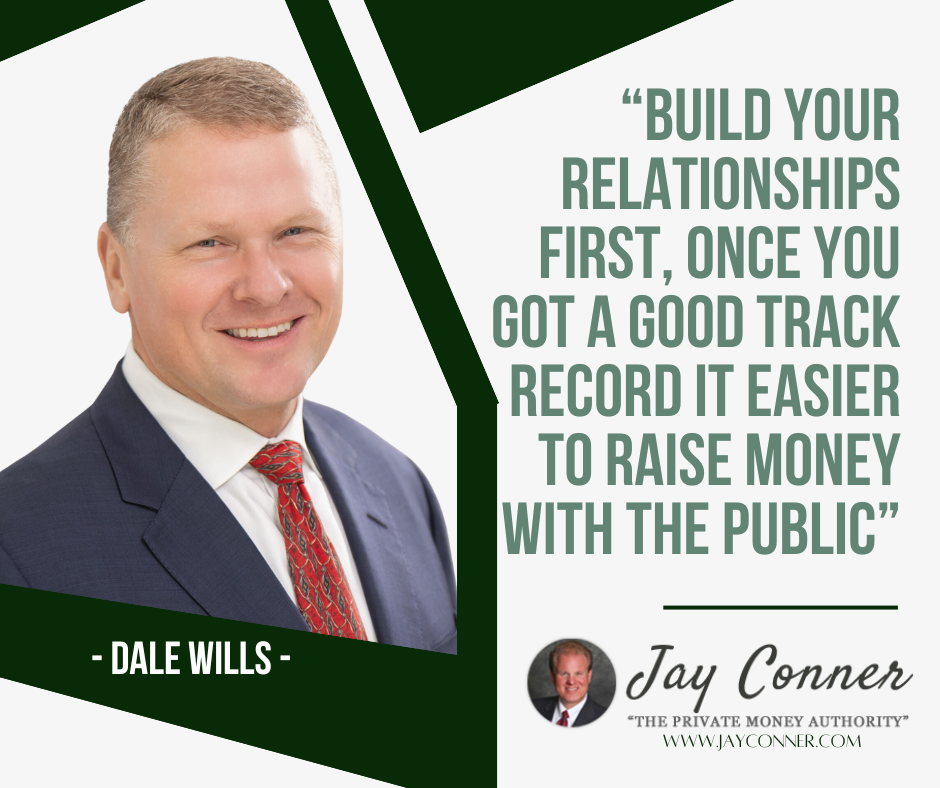
Heck, when you’re first starting, it’s the hardest. And that’s really where you utilize, you know, the network you have. Friends and family the really the common way. We were fortunate early on that I had done some work with, some wealthy individuals that believed in me. And, so they were investing in projects as we went on early. Once you’ve got a track record and you’re returning the funds, it becomes a whole lot easier. So it’s the early start-up is probably the most difficult in my opinion to get started. And you need to do it with people who have relationships.
Dale Wills [00:04:14]:
You know, once you’ve got a track record, it’s easier to raise money with the public. But until you have a track record, relations are a relationship-driven thing.

Jay Conner [00:04:24]:
It is. And you just said a very, very important phrase. You said 3 words, and those three words you said were believe in me. And it’s been my experience in raising private money over all these years that our private lenders are not investing in our deals. I mean, they’re gonna get I mean, everything that I do is what we call one-offs. We got a single house and a private lender, a couple of private lenders on that particular house. But at the beginning, and even now, it’s my experience, and see if you’ve if you agree with me, they’re not investing in our deals. They’re investing in us.
Jay Conner [00:05:05]:
They’re investing and trusting us to get it done, you know, even though we give them collateral. What’s your take on that?
Dale Wills [00:05:12]:
I think you’re spot on. I have, you know, most of my, wealth is reinvested in what, you know, deals I’m involved in. But I’ve invested in other deals. But 100% of the time, anything I’ve ever invested in, I’m investing in that relationship, that person, in my belief that they can do it. Because you can have the same business idea with 2 different people, and one could be a fantastic success and the other a dismal failure. And so I think you’re spot on. I mean, in my investing practices, I’ve only invested with people that I believe in and hope that they can make it happen.
Jay Conner [00:05:47]:
So when you started, my guess is you might do things a little bit differently today than when you first started. Were there any you know, what have you changed in your methods of raising private capital? Are there any mistakes that you made when you started that you could share with the audience that, would be a value that if they’re looking to raise private capital, don’t do this? Instead of that, do this.
Dale Wills [00:06:14]:
You know, I think the big difference between today and 15 years ago, 10 years ago even, is confidence. Confidence that you can execute and do it. I can remember early on, it was probably 2012 or 13, we were buying a portfolio of assets. It was about $8,000,000 and the seller of that asset or the seller’s representative, wasn’t sure we could do it. And he said, well, I wanna come out and meet you guys and make sure you can perform. And I’m thinking to myself, oh, crap. You know, we’re never gonna get this deal done. And so he was gonna fly out, and I met with a friend.
Dale Wills [00:06:50]:
We were subleasing a couple of offices in a friend’s building. And, you know, we were stacked on top of each other. There was no room because it was all about, you know, how do we get a return for our investors and make more money? And so it’s like if he sees our office, there’s zero chance. So I went to my friend and said, hey, can you pretend like I own this whole building and have the receptionist greet them and then have her call me on my cell like it’s the intercom, and I’ll go out the back stairs, and I’ll come around, and I’ll come through the back door and use him and use your, conference room. And, you know, feel like that’s gonna give us confidence. So we did it. It was quite funny. We looked back on it.

Dale Wills [00:07:29]:
But, you know, it’s just a lack of confidence that was the issue for us. But we, you know, we ended up doing the deal and made a lot of money on that deal. But I think that’s the important thing is you’ve gotta believe in it. And if you don’t believe in what you’re doing, it’s gonna come right across to your investors.
Jay Conner [00:07:45]:
Absolutely. I mean, I say all the time, desperation has got a smell to it.
Dale Wills [00:07:51]:
Yes. I agree with that statement.
Jay Conner [00:07:55]:
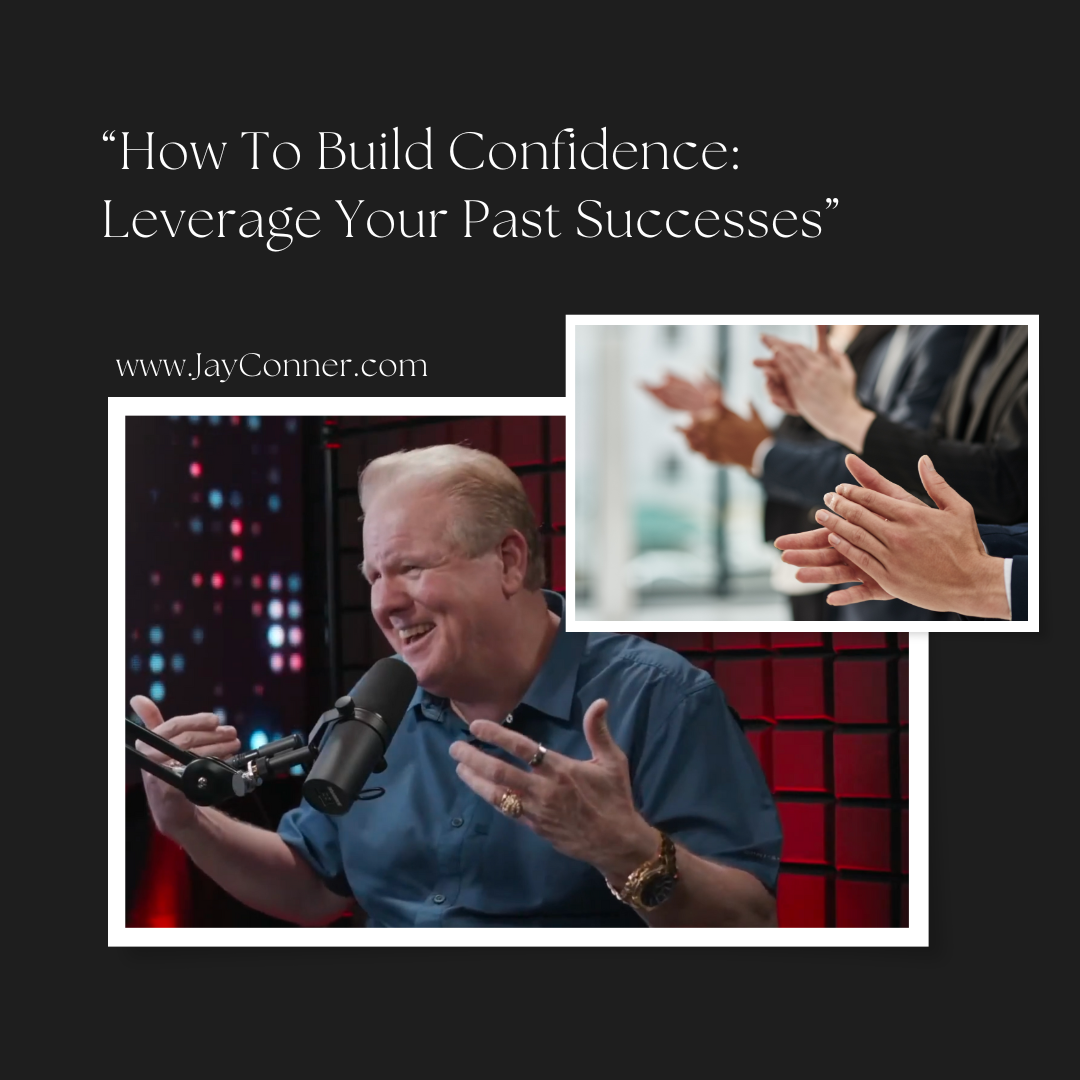
And, so yes. And, you know, a lot of new, real estate investors will will ask me. They’ll say, you know, Jay, how do I get the confidence if I’ve never, you know, raised money before? How do I, how do I get the confidence? And advice that I give, I say, well, think about what you’ve already been successful doing. Leverage your past successes, and, you know, transfer them over to, you know, this activity of raising capital. And there’s a lot to be said for fake it till you make it as well. I remember like it was yesterday, the very first conversation that I approached a potential private lender. You know, I had I’d never raised any capital before, just relying on the local banks. And, I started using what I now call, Dale, the indirect method.
Jay Conner [00:08:49]:
I’ve never actually asked anybody for money. I just asked for their help to spread the word, to let people know that I’m paying insane, hey. High rates of return. And when they hear somebody complaining about the volatility of the stock market or the low interest rates they can get at the local bank, would you refer them to me? That’s what I did the very first time. And, of course, they inquired, and they became one of my very first private lenders by just asking them to, you know, help me spread the word that now I’ve got an opportunity. And when I say the word opportunity, I think about the the the framework. I’m not asking for money. I’m not begging, selling, chasing, persuading.
Jay Conner [00:09:30]:
I’m educating. You know, they only have 47 private lenders right now, and not one of them ever heard of private money before I told them what it was. They never heard of how they could use self-directed IRAs and their retirement funds to invest and get tax-deferred or tax-free returns. And so it was all about leading with education. What’s your No.
Dale Wills [00:09:51]:
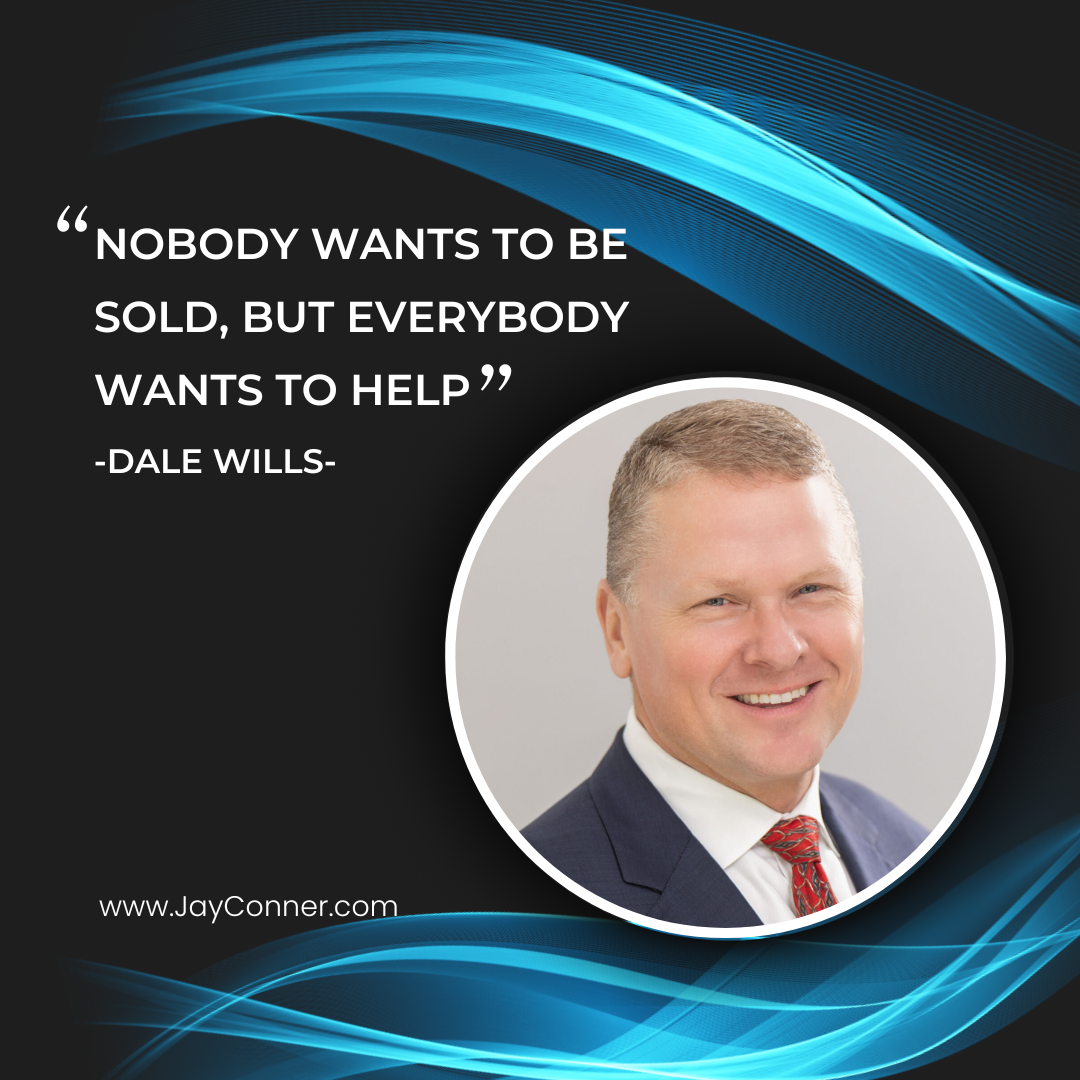
You know what’s interesting with what you said, Jay? What I love with what you said is, you know, I can’t say that I’ve ever done what you just taught directly, indirectly, maybe, but nobody wants to be sold. Nobody wants to be sold. Jay, you wanna give me $5,000,000 for this project? Nobody wants to be sold, but everybody wants to help. And you asked for help. You didn’t sell them. And I think that’s I think that’s a concept that you can’t overstate. Nobody wants to be sold, but everybody wants to help. And you just ask for help? I think that’s a concept we can all apply.
Jay Conner [00:10:26]:
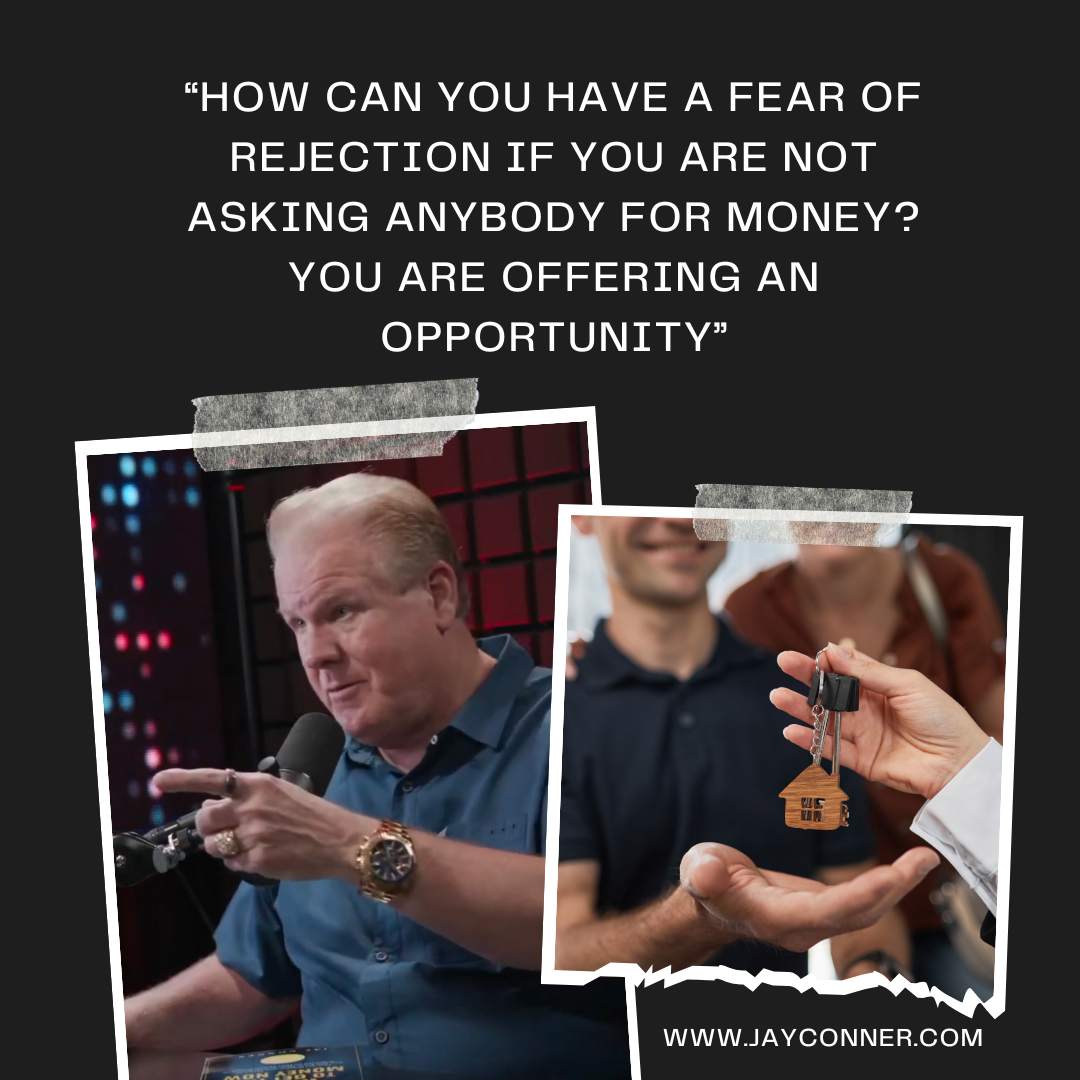
Absolutely. Well, and the thing of it is is, you know, one fear that real estate investors have when they’re raising when they’re beginning to raise private money is this thing in the back of their head called, you know, fear of rejection. And my response to that is, how can you have a fear of rejection if you’re not asking anybody for any if you’re not asking for money? Everybody wants to help. Right? But I’m not asking anybody for money. You can’t be turned down. Like, you know another question I get all the time, Dale, is, well, how do I start? How do I start raising private money? Well, I can tell you how you start, in my opinion, my experience, is you gotta own the real estate between your ears first Yes. Before you before you own real estate out there or you build new construction. I mean, the mindset one thing I had to get my mind wrapped around, Dale, was in this world of raising private money, it’s 180 degrees different from borrowing money from the bank.
Jay Conner [00:11:28]:
In our world, when you raise private money, when I raise private money, we make the rules. There’s no negotiation. We set the interest rate. I mean, we are our own underwriter. Right? And it’s like, that’s the first thing I had to get straight in my mind is that I’m not going and getting on my hands and knees and putting my hands underneath my chin and saying, you know, please fund my deal or, you know, please fund whatever it is that I’m needing. It’s all about offering the opportunity and teaching, versus, you know, applying and asking. Right?
Dale Wills [00:12:04]:
Yeah. Absolutely. Yeah. That is so true. And I think I think for a lot of people, they can be intimidated by the process and be pretty quick to give up that control and say, alright. You can make the rules. Exactly. And I think I think too often, we give up too early on a lot of this.
Jay Conner [00:12:24]:
Absolutely. So, Dale, we have, 2 segments of our audience, listening or watching the show here. One segment, real estate investors, they wanna raise private money. We talk about that. But another segment, listening to the show, they just wanna be passive and, you know, investors, private lenders, if you will, and just wanna sit back and watch their returns grow. So you’ve got a fund where you have you as you know, you’ve raised over $100,000,000, for your funds. And your focus is on single-family houses, I believe, more so than apartments. So, how about speaking to the core differences between investing in single-family, houses versus investing in multi-family, properties such as apartments and etcetera?
Dale Wills [00:13:14]:
I think there are a couple parts to this. One thing to back up. We have not had a fund the whole time. Most of our fundraising has been through, you know, an individual will invest, you know, an x amount of dollars in a project with us. And it was about 3 years ago, that we allowed all of our employees can buy houses at cost to help them build personal wealth. And it was about 3 years ago, I was comparing some notes with one of our employees that takes advantage of it and has built quite a portfolio of rentals that he’s got wealth from. And we were comparing notes on the tax advantages of him being a w two-employee and me being self-employed. And it was distressing to me of, here, I’m trying to help them build wealth, but because of the way the tax code’s written, I can accelerate that much faster than he can.
Dale Wills [00:14:04]:
And that that was hard for me. And so I started looking into what are ways that I could help him accelerate building his wealth the same way that I have. Ultimately, what ended up happening is we started Centra Capital Partners saying, I’m gonna create a mechanism, a vehicle that these people I care about on my team can also accelerate their wealth building. Well, one thing led to another, and we said, why don’t we open this up to anybody that wants to invest? You know, we’ve we’ve worked with investors. We’ve raised a lot of capital. Why don’t we open this up and allow anybody, you know, whether it’s our trade partners, whether it’s friends or new friends that we make, let’s open it up. So we just opened Centra Capital Partners about 8 months ago. And so now anybody can.
Dale Wills [00:14:47]:
And, you know, the goal is to let’s build wealth together. On the houses and the apartments, we do apartments. We like apartments. We’re just not doing any today. There’s a huge need for housing across the nation. However, what’s happening is the people who would typically go into apartments are staying in consolidated households. And so they’re not moving into the apartments at the same rate they would in the past. However, if you’re focused on entry-level housing, that consumer is still buying houses.
Dale Wills [00:15:16]:
They’re still going out. They’re still buying houses because there’s such a huge need. But you’ve got to be in the affordable because the interest rates at the time of this recording, you know, our interest rates are hovering plus or minus 7% on a mortgage rate. Now, that might not age well, because that could be changing in the coming weeks from this recording. However, you know, people that were buying houses at 3% could afford significantly more than they can at 7. And so they’re affording less and that’s where that first-time entry-level affordable product is really important. And that’s where we’re seeing the biggest gap in real estate. So that’s where we’re putting most of our energy to try and fill that gap.
Jay Conner [00:15:54]:
So would you say most of the new construction that you’re doing now is at that first-time home buyer price point?
Dale Wills [00:16:03]:
We do have a little bit of empty nester. The couple that my kids have moved out, I’m tired of the stairs. I wanna live on one level. We do have some of that that we’re still seeing quite a bit of success. But the vast majority of what we’re doing is a first-time buyer product that’s an affordable price point that they can get in and own their first home.
Jay Conner [00:16:22]:
So given the current market conditions that are going on right now, mortgage interest rates, of course, you make a good point. I think there’s more than one reason why we’re gonna see mortgage rates come down pretty quickly. And I don’t have a crystal ball, but Yeah. That’s my guess anyway. But given the current market conditions, why do you think it’s favorable to be investing in single-family houses or, you know, your investors, your private lenders investing in your fund for that, say, versus apartments?
Dale Wills [00:16:58]:
Well, right now, you know, the interesting thing is construction in the history of tracking this construction first in and first out of every recession that we’ve seen. You know, there there is one minor exception. You know, there’s a lot of economists are saying we’re gonna we’re looking towards a recession. Now, if that’s true, the first-time buyers still buy houses, you know, unless the wheels totally fall off our economy, we could see unemployment go up to 7 8 9%, and they’re still consumers for that entry-level. When you’re buying your 2nd, 3rd, and 4th home, those are the people who will hold off saying, wait a minute. Let’s see what the economy is doing. Whereas the first-time buyers keep going. And that’s where we’ve said, let’s put our energy in the first-time buyers because even if we hit a recession, they’re gonna still come.
Dale Wills [00:17:43]:
On the flip side, if interest rates were to drop 2%, then all of a sudden, there’s a whole huge demographic that could not afford a house at 7%, but now suddenly can afford a house at 5% which is gonna come into the market and wanna buy houses. And that group’s even bigger than the group that can afford the 7%. And so that’s where we said, well, let’s put a lot of our energy right now into that first-time affordable housing because no matter what happens in the next couple of years, there’s gonna be a need for that where that’s not necessarily true for some of the other, real estate investments that we see.
Jay Conner [00:18:16]:
Yeah. One thing that I mentioned briefly a few minutes ago, I mentioned my 47 private lenders that, invest in our deals. Interestingly enough, over half of them are using their IRAs. They’re using their retirement funds to invest with those retirement funds. And so a segment of our audience here, particularly in today’s market, they got retirement funds and they may not be happy with the kind of returns that they’re getting on the retirement funds. It may be in a former, you know, 401k at a previous employer, maybe, you know, some type of pension retirement fund or whatever. How about sharing some, strategies or insights that you’re familiar with as to how people can use their IRAs to say, invest in your fund?
Dale Wills [00:19:10]:
I love the ability to do that. We teamed up with, Equity Trust. They manage about 45,000,000,000 in the IRA world. And, people can take their IRA money, transfer it to Equity Trust and invest in our deals. I transferred my personal IRA and my wife’s. It took me 13 minutes. And it takes somebody else a little bit longer because I knew the systems. I knew what everything was, and I had already reviewed the documents.
Dale Wills [00:19:37]:
In 13 minutes, I was able to transfer those funds and invest them. I was speaking with my father and he’s like, hey, let me do it. I’m like, Dad, let’s have a fun Thanksgiving and not worry about talking business. And ultimately, he convinced me, to let me invest. I said, Alright, let’s let’s do this. And I was looking at his documents of where his IRA is. And I’m like, Dad, you’re not even keeping up with inflation. For the last 3 years, inflation is 5.21%.
Dale Wills [00:20:01]:
You’re sub 5.21% by the time you factor in fees in your IRA. This is terrible. And, you know, like any good dad would say, he said, well, that’s why I wanna invest with you, son. But so we transferred him over, a pretty easy process that he can invest in. The beautiful thing is, is, you know, in my IRA, generally speaking, I’m investing in stocks that I know nothing about, or that I think I know something about but don’t, or I’m investing in a more stable money market, but giving me terrible returns. And so many people wanna invest in real estate, but they don’t wanna deal with the cockroaches or the broken down furnace. Whereas this is a great mechanism. People can invest their IRA, and get a much better return through, you know, your fund’s a great example.
Dale Wills [00:20:47]:
What we’re doing is a great example. They get a much better return. And, you know, in our case, you get some pride of ownership. You have some ownership in that project. You could drive out there physically to see it. Whereas, you know, I can own Tesla stock, but I’m not sure Elon’s gonna invite me into the warehouse to see what they’re doing. Where some of these real estate deals you invest your IRA, it’s a tangible asset. You can go look at it.
Dale Wills [00:21:09]:
You can feel it. You can tell your friends about it, which I think is pretty cool because real estate, that’s where people build lives and make memories.
Jay Conner [00:21:20]:
Absolutely. Now one thing that, your con your company, Centra, does is help and facilitate first-time homebuyers get their first home, you know, particularly in this challenging economic climate. How does your company help first-time homebuyers?
Dale Wills [00:21:40]:
I love that question. You know, as a company, our motto is we improve everything we touch. And, you know, I can’t see there’s not a lot of ways you can impact lives like you can helping people get their first house. And, you know, one of the things we do is we work on how do we make sure we have a really good, efficient machine that we can make these houses as affordable as possible and yet still have a very quality house. So we’re constantly looking at how do we become more affordable. Minneapolis market, we have some of the most affordable housing and yet really excellent quality. There are other programs that we work with those buyers on. There’s some funding through USDA where people have limited down payment that we help them apply for those, where they can get some down payment assistance.
Dale Wills [00:22:26]:
There are some interest rate buy downs that we do to help them buy those interest rates down, so it makes it more affordable. But there’s just so many ways to do it. But the first and foremost is the affordability. You’ve gotta have something that people can enjoy, they’re proud of, they wanna invite their friends and family over to see, and that, you know, meets what their income is.
Jay Conner [00:22:49]:
In the market where you are, built having this new construction, what is the range or the approximate first-time home buyer price point?
Dale Wills [00:22:59]:
We’ve got some stuff that starts as low as 320, but we range from 320 to about 450 with our average being at about 370 is where we’re at, which, you know, if we rewind 5 years ago, it’s like that is not affordable. That is not the first time. But in the Minneapolis market, we are under what the average is here on new construction by quite a bit.
Jay Conner [00:23:23]:
Right. Well, I wanna make sure everybody gets the information, your contact information, your fund etcetera, and, any other ways that people can follow up with you and continue the conversation, Dale?
Dale Wills [00:23:37]:
Yeah. We, www.CentraCapitalPartners.com are a great place to see where we’re at, and and what we’re doing, different opportunities. We keep that pretty current, really current so people can see what opportunities we have to invest in. And there’s just a ton of information there that they can learn about us, they can learn about our team, our experience, and the projects that we have open for investment anytime. That’s, that’s the best place. I’m also pretty active on, LinkedIn, both our company and myself under Dale Wills or Centra Companies, so that people can make direct contact because we’re all about, making the world a better place and improving everything we touch. And so if we can be assistance to somebody that’s trying to get going and be a listening ear, a lending hand, we’d love to do that as well.
Jay Conner [00:24:22]:
Again, Dale’s contact, his website is www.CentraCapitalPartners.com. And, of course, all of his contact information, will be in the show notes as well. Dale, I sense, I can hear it in your voice, I sense it in your spirit. I believe you’ve got a very, very strong spiritual foundation. Yes?
Dale Wills [00:24:46]:
That’s a big part of our life. Our whole family is, very active in our faith, and that’s a big part of who we are serving and strengthening others that are around us, you know, and following, you know, what we learned in the New Testament is a big part of us.
Jay Conner [00:25:03]:
Well, I sensed it because Carol Joy, my wife, and I, we’ve got the same foundation. The church is a very, very important part of our lives, as well. So, I wanted to bring that out. Dale, thank you so much for joining me. Any parting words comments or thoughts?
Dale Wills [00:25:21]:
No. It’s been a lot of fun. And just, you know, if you’re investing, real estate’s a great place to invest. If you’re trying to raise capital, don’t give up. You know, when something doesn’t work, just keep trying and do it. You know, and if you keep sticking with it, you’ll find a solution and you’ll make it work.
Jay Conner [00:25:37]:
Thank you so much, Dale. And there you have it. Another amazing episode of Raising Private Money. I’m Jay Conner, the Private Money Authority, And, I appreciate you joining us. Be sure to like, share, and follow, whatever platform that you’re watching or you’re listening to. And with that, I look forward to seeing you right here on the next episode of Raising Private Money.
Jay Conner [00:26:05]:
Are you feeling inspired by the knowledge you gained in this episode? Then head over to www.JayConner.com/MoneyGuide. That’s www.JayConner.com/MoneyGuide, and download your free guide that shares seven reasons why private money will skyrocket your real estate investing business right now. Again, that’s www.JayConner.com/MoneyGuide to get your free guide. We’ll see you next time on raising private money with Jay Conner.