
In the realm of real estate investing, sourcing adequate funding is often the linchpin for success. On a recent episode of the “Raising Private Money” podcast, hosted by Jay Conner, real estate aficionado Brad Blazar shared invaluable wisdom gleaned from raising over $2 billion in private money. This podcast dives into key takeaways from their discussion, outlining strategic insights for those aspiring to make significant strides in real estate investments.
Building Trust: The Foundation of Investment Relationships
Both Jay Conner and Brad Blazar emphasized the fundamental role of trust in securing private money. Investors prioritize relationships where transparency and credibility are at the forefront. Brad articulated the necessity of delaying deal discussions until a robust foundation of trust has been established. This method not only secures long-term partnerships but also enhances the reliability of financial engagements.
Harnessing Neurolinguistic Programming (NLP) for Success
One of the most intriguing aspects discussed was the application of Neurolinguistic Programming (NLP) in overcoming barriers to success. NLP involves techniques for controlling one’s mind and emotions to influence outcomes positively. Brad Blazar demonstrated how NLP helps in erasing limiting beliefs and instilling confidence, drawing parallels with sports legends like Michael Jordan and Tiger Woods who have used similar mental strategies to reach peak performances.
The Impact of Mentorship on Growth
Both the hosts highlighted the transformative impact of mentorship in navigating the complex landscape of private moneyraising. For Brad Blazar, mentorship was a stepping stone that provided not only the necessary knowledge but also the confidence to execute ambitious deals. Beginners are encouraged to seek experienced mentors to accelerate their learning curve and avoid common pitfalls.
Goal Visualization and Taking Action
A recurring theme throughout the podcast was the power of visualizing success and taking concrete steps toward achieving it. Brad Blazar encourages investors to maintain a clear vision of their goals accompanied by consistent action. This proactive approach is crucial in moving beyond habitual limitations and toward tangible achievements in the real estate sector.
The Role of Self-Belief and Habit Formation
Delving deeper, the conversation also covered the transformational potential of positive self-talk and habit formation. Blazar shared anecdotes about individuals who reshaped their futures by methodically changing their daily habits and the stories they told themselves about what they could achieve. This segment underscored the importance of internal narratives in shaping one’s external realities.
Practical Steps for Aspiring Real Estate Investors
For those ready to dive into real estate, Brad provided practical advice starting with small, manageable projects, gradually scaling up as one gains confidence and expertise. He stressed the importance of presenting oneself professionally and understanding basics like securities regulations to ensure credibility in every transaction. Additionally, the significance of a strategic network cannot be overstated; building relationships with key stakeholders and leveraging their expertise can be game-changing.
Conclusion: From Learning to Legacy Building
The wisdom shared by Brad Blazar and Jay Conner is not just about raising capital but also about creating a sustainable and impactful legacy in the real estate world. Aspiring investors should take practical steps such as attending specialized boot camps like the one Brad mentioned, which focus on the intricacies of capital attraction and deal closure. Events like these provide a roadmap to success, equipping attendees with tools to raise significant capital efficiently and ethically.
Unlocking Financial Freedom:
“It does require, of course, effort and hard work. But if you do it the right way, and you get a mentor who’s done this successfully and shows you how to do this, the sky’s the limit as to what you can potentially raise.” – Brad Blazar
10 Lessons Covered in this Episode:
- Building Trust Foundations
Learn essential strategies for cultivating investor trust to secure and maintain funding partnerships effectively.
- Securities Regulation Basics
Understand key securities laws required to navigate the complexities of private money lending and investment offers legally.
- Effective Communication Skills
Master the art of clear and persuasive communication to effectively pitch and explain investment opportunities to potential investors.
- Networking and Relationship Building
Discover how to grow and leverage your network to find more investment opportunities and attract more private money.
- Vision and Goal Setting
Set clear, achievable goals using visualization techniques to stay motivated and guide your investment journey toward success.
- Overcoming Limiting Beliefs
Learn to identify and rewrite limiting self-beliefs that hinder success, enhancing your potential as an investor.
- Mentorship Importance
Understand the role and benefits of having a mentor in the real estate investment field to accelerate your learning curve.
- Investment Presentation Techniques
Gain confidence in presenting deals and learn how to construct compelling, data-driven investment presentations.
- Real Estate Market Analysis
Acquire analytical skills to assess market conditions, predict trends, and make informed investment decisions.
- Capital Raising Blueprint
Receive a structured plan detailing step-by-step actions to effectively raise and manage private capital for real estate investments.
Here are three fun facts that were revealed in the episode:
- Brad Blazar was recently knighted, earning him the title “Sir Brad” for his accomplishments in real estate investment and capital raising.
- Brad uses neurolinguistic programming techniques, similar to those employed by top athletes like Michael Jordan and Tiger Woods, to overcome mental barriers and achieve success.
- Brad Blazar shared a unique success story about helping someone lose weight through gradual habit changes and shifting self-beliefs, illustrating the power of mindset across different areas of life.
Timestamps:
00:01 – Raising Private Money Without Asking For It
05:26 – Young entrepreneurs achieve financial success through dedication.
09:56 – Effort, mentorship, and investment lead to financial freedom.
12:31 – Educating private lenders on mortgage trust mechanisms.
15:12 – Achieve goals through visualization and persistence.
19:31 – Debut book explores NLP and beliefology’s influence.
23:25 – Begin with small investments, seek mentorship, and grow incrementally.
26:15 – Understanding the securities industry and professional presentation is crucial.
28:24 – Skilful communication and trust-building are crucial.
29:45 – Connect with Brad Blazar: https://www.BradBlazar.com
https://go.bradblazar.com/bootcamp-page
33:36 – Entrepreneur built successful business, trains, and mentors thousands.
Connect With Jay Conner:
Private Money Academy Conference:
Free Report:
https://www.jayconner.com/MoneyReport
Join the Private Money Academy:
https://www.JayConner.com/trial/
Have you read Jay’s new book: Where to Get The Money Now?
It is available FREE (all you pay is the shipping and handling) at https://www.JayConner.com/Book
What is Private Money? Real Estate Investing with Jay Conner
http://www.JayConner.com/MoneyPodcast
Jay Conner is a proven real estate investment leader. Without using his own money or credit, Jay maximizes creative methods to buy and sell properties with profits averaging $67,000 per deal.
#RealEstate #RealEstateInvesting #RealEstateInvestingForBeginners #Foreclosures #FlippingHouses #PrivateMoney #RaisingPrivateMoney #JayConner
YouTube Channel
https://www.youtube.com/c/RealEstateInvestingWithJayConner
Apple Podcast:
Facebook:
https://www.facebook.com/jay.conner.marketing
Twitter:
https://twitter.com/JayConner01
Pinterest:
https://www.pinterest.com/JConner_PrivateMoneyAuthority
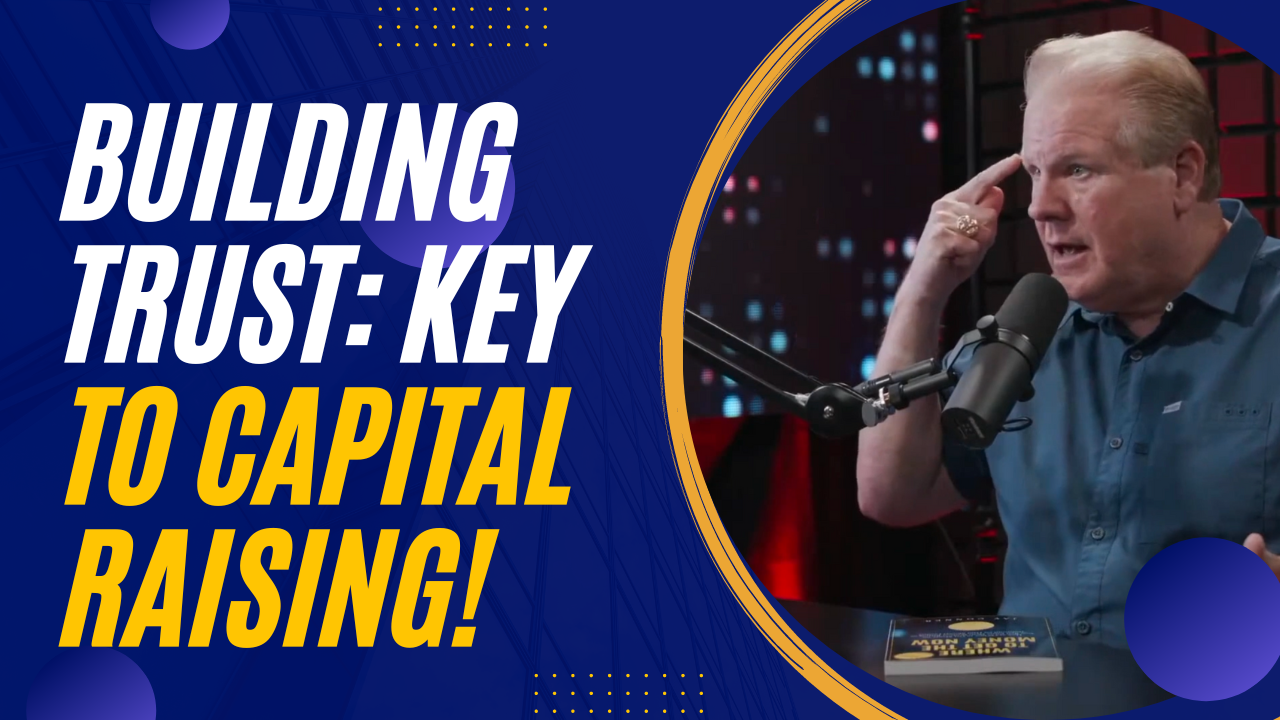
Building a Foundation of Trust: Key to Raising Capital in Real Estate
Jay Conner [00:00:01]:
Welcome to another amazing episode of Raising Private Money. I’m Jay Conner, your host, also known as the Private Money Authority. And on this show, as I do on so many other shows, I have an amazing guest. You know, on this podcast, this is where we talk about how to raise Private Money without ever having to ask for Private Money. I’ve got about $8 half $1,000,000 right now I’m using in Private Money, and not one time did I ask these private lenders for the money. So, we’re gonna dive into that. Well, my guest today, hasn’t raised $8 a half $1,000,000 He’s raised over 2,000,000,000 that’s with a b over $2,000,000,000 in Private Money. Now he’s closed some of the largest mega $1,000,000 transactions for multiple leading real estate companies.
Jay Conner [00:00:52]:
He’s done $9,000,000 deals, $7,500,000 deals, $5,000,000 deals, $11,000,000 deals. A lot of that has been in the space of commercial, self-storage, and etcetera. Well, he’s a real estate investor himself. So across his career, he’s purchased, he’s rehabbed, he’s renovated dozens of properties like myself, and he also invests as a GP in multifamily deals today. Now, one of his biggest accomplishments that I’m so proud to share, he was recently recognized for his accomplishments as an entrepreneur, and now he is officially known as Sir Brad. He was knighted into the Royal Order of Constantine the Great and Saint Helen, and so he, as he calls his mastermind, the people that are also been knighted like him are like Lady Paula Abdul, Lady Toni Braxton, and Sir Ray Charles. He’s got quite the group of people that he hangs around, and you’re going to learn a lot from him in this particular show. In addition to that, he’s an expert and student in NLP, also known as neuro-linguistic programming.
Jay Conner [00:02:04]:
And what he has done with that is he’s able to work with other people to change their limiting agree, their limiting beliefs. He is the founder of the art of beliefology and teaches others how to change their limiting beliefs while focusing on a more successful future. In just a moment, you’re going to meet my fellow Mastermind member, my good friend and fellow entrepreneur, Mr. Brad Blazer, right after this.
Narrator [00:02:34]:
If you’re a real estate investor and are wondering how to raise and leverage Private Money to make more profit on every deal, then you’re in the right place. On raising Private Money, we’ll speak with new and seasoned investors to dissect their deals and extract the best tips and strategies to help you get the money because the money comes first. Now here’s your host, Jay Conner.
Jay Conner [00:03:03]:
Welcome to the show, Brad.
Brad Blazar [00:03:05]:
Jay, it’s a pleasure to be here, my friend. It’s always great to see your smile.
Jay Conner [00:03:10]:
Well, always great to see yours too, Brad. I love talking with you about raising Private Money and raising capital. I don’t know anybody else more experienced in this world than you are. And one thing that I want us to start out with Brad, is I want I want my audience to hear your story as to how you got into Private Money. And the reason we’re interested in that is that what I have observed over the years, certainly applies to me and my story, but most people that raise capital, raise Private Money, there was a pivotal point. There was a turning point. There was something What was it that happened in your career, in your business, that What was it that happened in your career, in your business that actually moved you into this arena?
Brad Blazar [00:04:04]:
You know, it’s really funny. Like most people, I was not born with a silver spoon in my mouth. I was basically, brought up in your traditional middle-class family. My father was an executive that went to work every day. My mom was a stay-at-home housewife until my siblings and I grew up a little bit, and then she went to work as a real estate agent. But, much like Robert Kiyosaki, I did have a wealthy uncle. And I quickly realized he leads a much different and better lifestyle than the one that we live. He has a chauffeur.
Brad Blazar [00:04:39]:
He’s got a Rolls Royce. He’s got 3 homes. And so at an early age, you know, very impressionable, I wanted to obviously have the lifestyle that my rich uncle Henry enjoyed. And so when I went off to college, like most college students, I was looking for a job. You know? And so I went to work for a very small oil company in Austin, Texas, Jay, and the CEO took a likeness to me. I was a little cocky 21-year-old kid at the time that could think fast on my feet. And he said, Brad, I’d like to bring you in between classes and after school and teach you how to reach out to high net-worth individuals, how to build trust, how to establish rapport, and how to raise capital for our oil and gas drilling ventures. And I said, great.
Brad Blazar [00:05:26]:
And so here I was, a little 21-year-old kid. And really what they provided for me was the blueprint and the framework, and, obviously, access to a list of high net worth investors that I would reach out to. And what I realized is here I was working primarily 12 to 15 hours a week between classes after school, getting paid commission at the time because I was licensed, and, it was making 6 figures. And I said, what in the world am I doing here going to college to try to graduate with a piece of parchment that allows me to go out into the workforce to make 6080? Making 6 figures only work 12 to 15 hours a week. And so I doubled down, basically turned my back to finishing my collegiate career, and started an oil company at the age of 23 with some savings. And lo and behold, just, you know, hired a team of people around me, brought on a CPA, an attorney, built the team to convince investors that we could execute. And that’s really what put me on this path of, you know, spending the last 30-plus years raising, as you said, you know, now over $2,000,000,000. I certainly didn’t wake up saying, hey.
Brad Blazar [00:06:36]:
I wanna be a professional capital raiser. But as my life unfolded, and as I look back at my career and ask myself, like, what is my primary skill? What do I know how to do really, really well? It’s raising capital. And that’s what I basically built my entire career around Raising capital for projects on my own, as well as also raising capital for some of the world’s leading financial services providers as the head of capital markets, building out their team, scaling their distribution, and really going out in the world and doing it the right way. And, of course, now we teach other people how to do that.
Jay Conner [00:07:12]:
Well, Brad, one thing that you just shared in your story that was very, very important, and that is you started out with a mentor who showed you how to do this. So the first takeaway lesson that I hear from your story is don’t try to get out there and start trying to raise capital by yourself without having somebody work with you that actually can show you what they do etcetera. Now you’ve raised the capital. You’ve raised Private Money for all different kinds of businesses. You’ve raised money for oil and gas. You’ve raised money for other ventures. You’ve raised money for commercial projects, and self-storage. You’ve raised money for multifamily.
Jay Conner [00:07:55]:
You’ve raised money for a single family. And so across all kinds of different kinds of businesses, My question is, what skill set does someone need to raise capital regardless of what they’re raising the money for?
Brad Blazar [00:08:15]:
I think there are really a couple of things. I think number 1, Jay, is the understanding and the ability to build trust in other people. Most people that venture off to raise capital make a number of mistakes, And certainly, one of the biggest mistakes is they’ll meet somebody that has the ability to invest, and they start talking about the deal or they start pitching the opportunity much too prematurely in the process. And because of the nature of the relationship, the prospect is naturally gonna follow up and say, you know, Jay, it sounds like it’s a pretty interesting deal. Can you send me the information so we can take a closer look at it? They’re really saying that for two reasons. Number 1, it’s the next logical thing that happens in the sequence of events, but also, of course, they’re doing it out of politeness. And so you send them everything, the pitch deck, all of the offering materials, whatever it is you want them to take a look at. But then when it comes time for them to actually move forward and write a check, you get every excuse, we’ve ever heard.
Brad Blazar [00:09:20]:
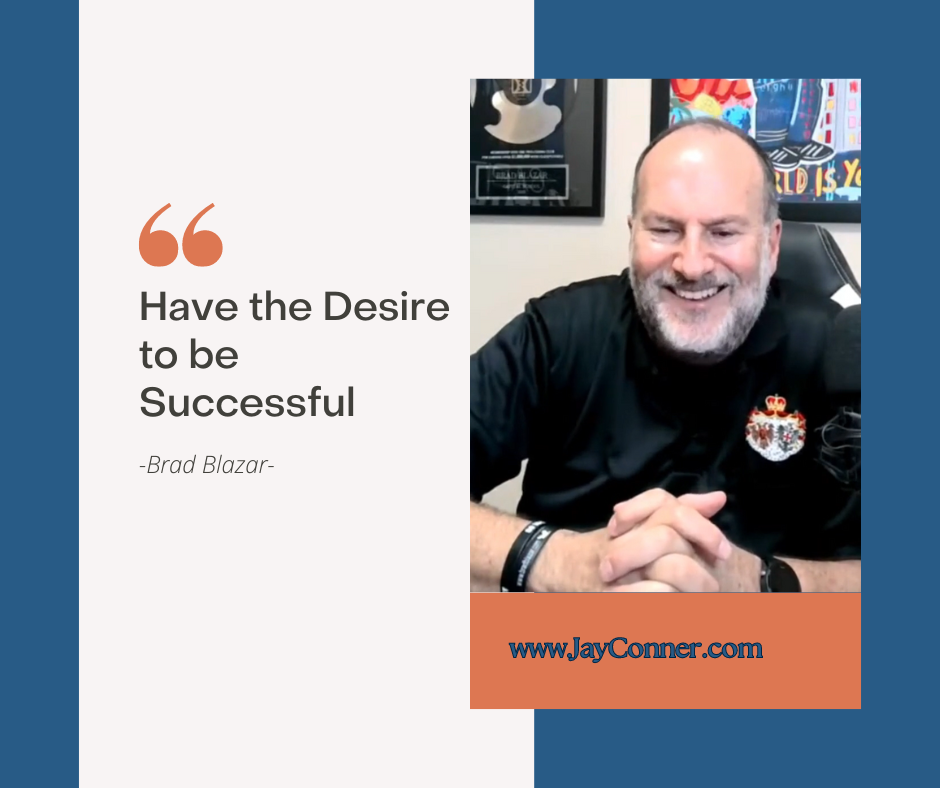
And really what they’re saying at a very subconscious level is, Jay, I don’t know you well enough to move forward. I don’t trust you. And so the first thing I think is you need to understand how to build trust in other people. The second thing is you need the desire to become successful at this. There is resistance. There is the rejection. You are gonna get people that say they’re not interested, and so you have to have what I call this inner drive and desire to show up each and every day. Because raising money is not an easy thing.
Brad Blazar [00:09:56]:
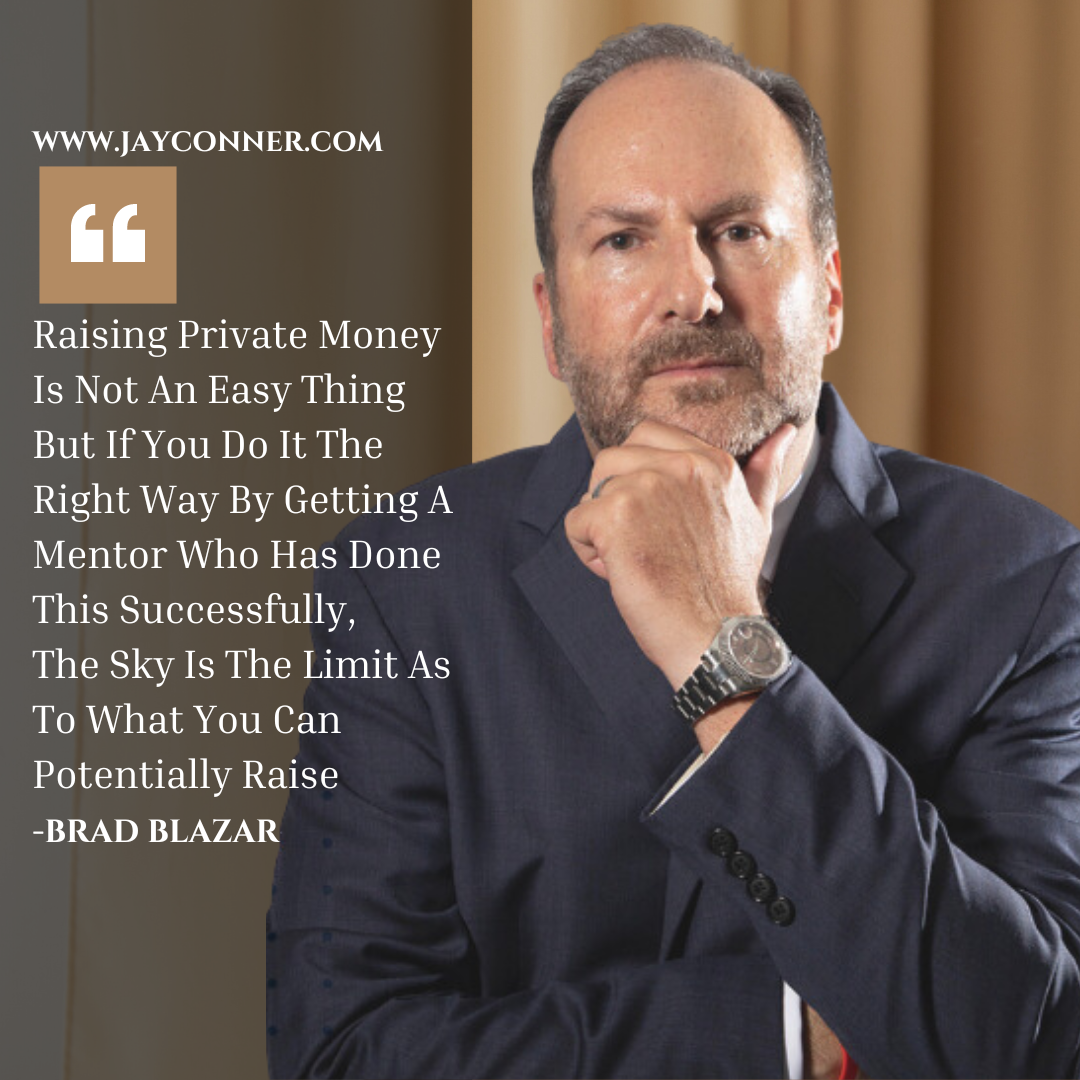
It does require, of course, effort and hard work. But what I will say with that is if you do it the right way, and you get a mentor who’s done this successfully to show you how to do this, the sky’s the limit as to what you can potentially raise. I mean, we have people that we’ve actually consulted and mentored that have raised tens of 1,000,000, and in many cases, 100 of 1,000,000 of dollars that now loan portfolios of commercial real estate, or are now taking advantage of business acquisitions. And so I think the third thing is number 3, the desire to help other people understand that there are alternatives to exchanging your time for money each and every day. You know, one of the beautiful things about learning how to raise money, and invest in real estate, is the passive income. And by helping people move forward in this process, whether they come in passively as limited partners, or whether they help raise capital, and they come in as co-general partners. One of the things we’re doing is giving people financial freedom or at least getting them to a point where they start seeing enough passive income to have many more choices in their lives.
Jay Conner [00:11:10]:
Well, you just said a lot right there, Brad, that I want to unpack. I wanna go back to one of the very first words you said in answering the question. And that was you said a word that’s a 5-letter word that starts with a big letter t, and that’s the word trust.

Jay Conner [00:11:25]:
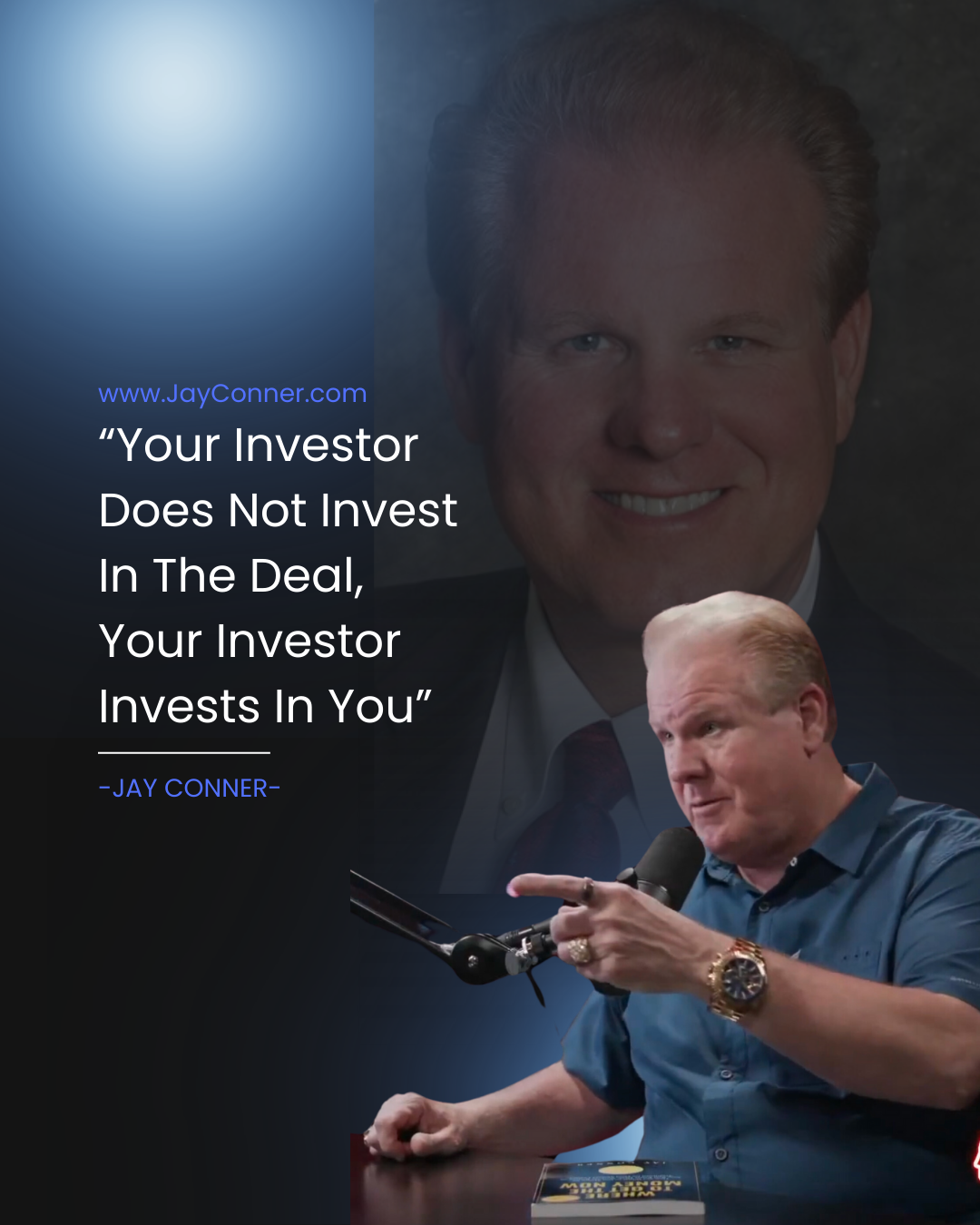
I couldn’t agree more. I mean, you can have the best deals in the world. You can have the most profitable business going on. But unless someone trusts you, they’re not going to loan you money because, quite frankly, they’re not investing in the deal. They’re investing in you. They’re investing in you, as you know, are they trusting you that you can perform, as you said? And so as far as trust goes, you know, desperation has got a smell to it. Right? And, and you’re exactly right. I mean, the worst time to be raising Private Money or attracting Private Money is when you are, like, dying on the vine, and you need it for a deal.
Jay Conner [00:12:08]:
And that’s why in my world, which is primarily single-family houses, your world is primarily commercial. It’s all the same money. It’s all the same money. It’s just a matter of how we structure the deals. Correct. Everything I do, of course, is what we call one-offs. You have a private lender, an individual, or a couple that are funding a particular single-family house.
Jay Conner [00:12:31]:
And, you know, they’re getting their mortgage or deed of trust for that. But back to this trust thing. Here’s how here’s how I, develop very, very quickly trust. And that is, I separate conversations between Private Money, what my private lending program looks like, what kind of rate are you going to get as a private lender, and how are you protected, I have 47 private lenders right now, and not one of them had ever heard of Private Money, never heard of self-directed IRAs until I put on my teacher hat. Right? My teacher hat. And I started teaching them what Private Money is. They never heard of it. And so we teach them.
Jay Conner [00:13:22]:
And then when we’ve got a deal to fund, we simply give them the good news phone call. I got great news for you. I got a deal. You can I can now put your money to work? And so it’s all in this position. And, you know, I tell people, Brad, all the time, it’s gonna be very hard to own real estate until you own the real estate between your ears. Mhmm. And speaking of owning the real estate between your ears, you are an expert. You’ve studied it.
Jay Conner [00:13:48]:
You practice it. You teach it. And that’s NLP, neurolinguistic programming. I know your backstory. You’re in college at the same time, the athletes were that were using, you know, visualization before they would go into their athletic competition. So tell us about what NLP is, what’s neurolinguistic program, what it is, and really how it, can it serve someone interested in real estate investing.
Brad Blazar [00:14:22]:
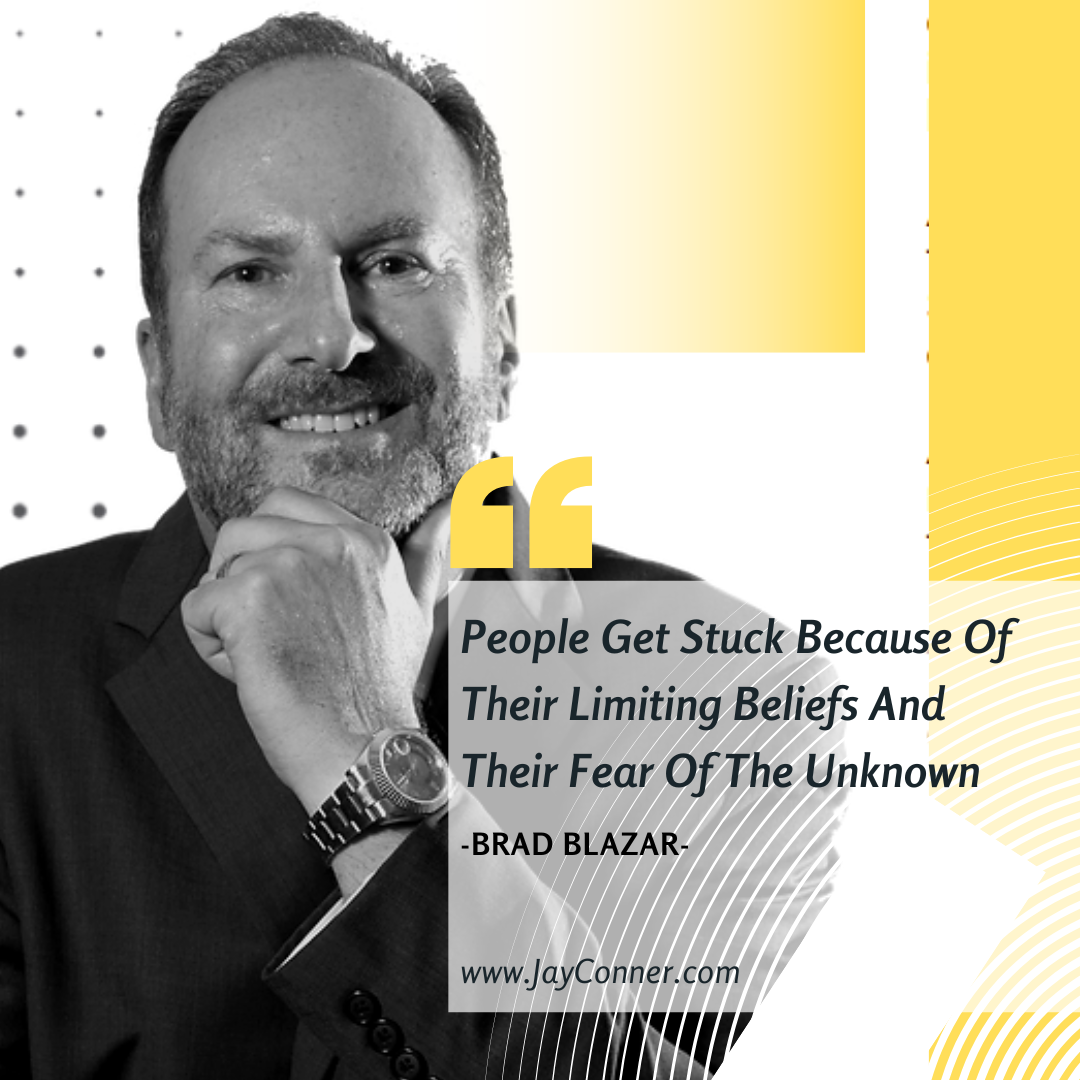
You know, I love that topic, Jay. I think so many people get stuck because of limiting beliefs and because of the fear of the unknown. Right? And what I have always seen in studying very successful people is they have this innate ability to block out the noise. They commit to doing something, and then they take action. And so understanding that the word fear, f e a r, really stands for false evidence that appears real. We need to understand as adults that most of our life as adults evolves out of what we were told as we were growing up through our maturation years. And what did we hear from our parents and our loved ones? Don’t do this. Don’t do that.
Brad Blazar [00:15:12]:
Don’t touch the stove. And so, you know, it’s a pattern of don’t, don’t, don’t, don’t, don’t. And when we get older, we don’t, when in reality, we can. And so, you know, a neuro-linguistic program is really seeing something up here in the mind or seeing it with your eyes and then pursuing it to its basically ultimate conclusion. I have this goal, I have this dream, or I have a desire, and through my persistence and my showing up every day, I’m gonna pursue this to its attainment. And what happens, I think, to a lot of people is they either get started with something, and then they either fall off the bus and they don’t finish, or worse yet, they never get started. And so, you know, looking at professional athletes, really understanding what neurolinguistic programming is all about, It’s about seeing something in the mind and rehearsing it visually in the mind enough times so that it actually almost creates the muscle memory for you. You know, we always ask ourselves, so why can somebody like Michael Jordan sit there and almost blindfolded throw a free throw? Or why can somebody like Tiger Woods, you know, sink a puck? It’s because they’ve done it so many times, not just in reality, but also up here in the mind they visualize it.
Brad Blazar [00:16:32]:
And so I remember, you know, when I was going to school, I went to the University of Miami, then I ended up transferring to the University of Texas. But as you said earlier, I was there at a time when Greg Louganis, the gold-medal Olympic diver, was also a student. And so you’d see him, he’d climb up the ladder all the way to the very top of the 10-meter platform. And there’d be this period of about 20 to 30 seconds where he would just stand there with his eyes closed. And I asked him one day as he was coming out of the pool, I said, I’ve noticed that when you’re up there, you’re kind of getting into the zone. He said, I am. He said, I actually am seeing the perfect dive in my mind so that I can deliver that dive to my body. And so that’s really what neurolinguistic programming is.
Brad Blazar [00:17:17]:
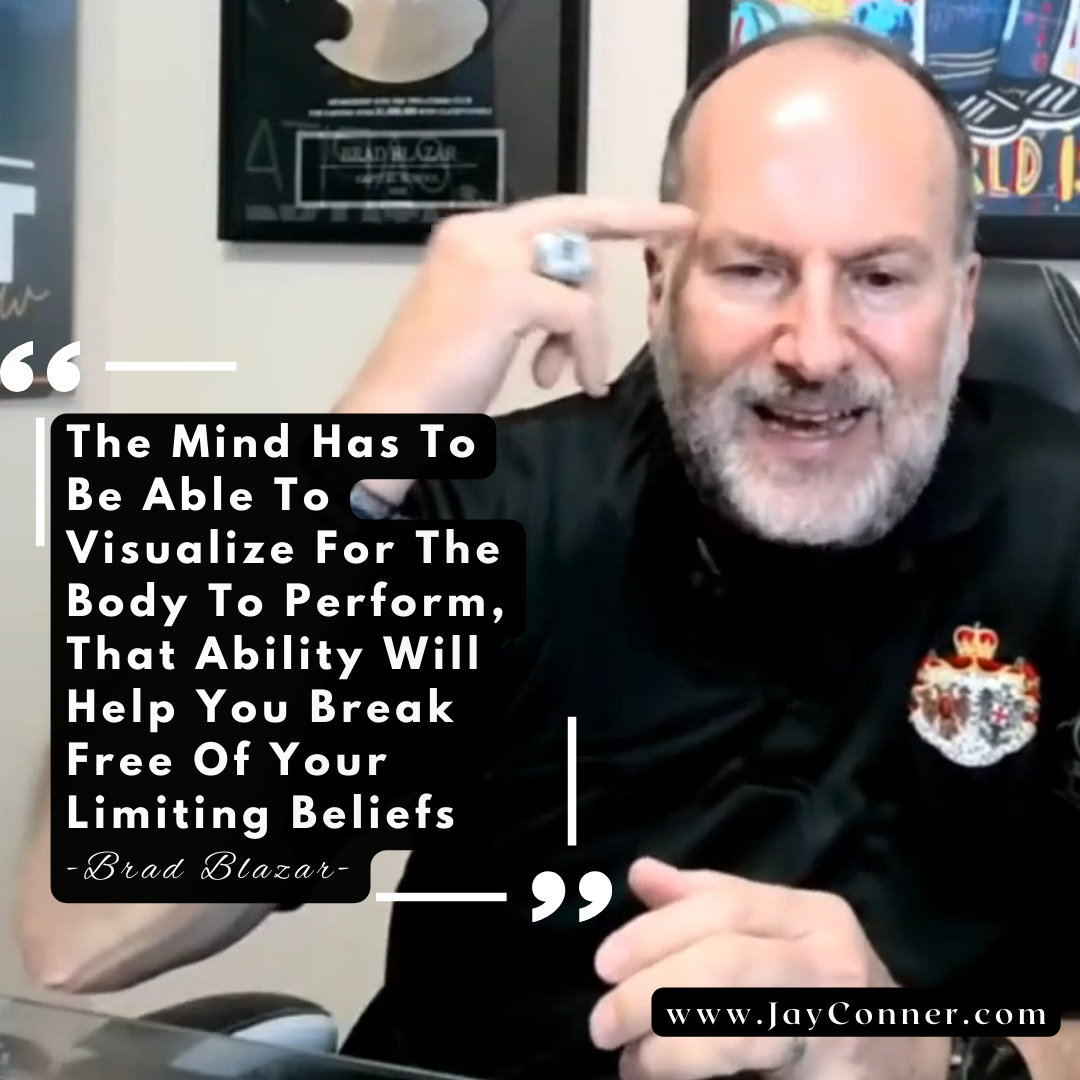
The mind has to be able to see it and visualize it so that the body can actually perform it. And so our body is what carries out what we see here, and that’s what allows us to kinda break through these limiting beliefs. I tell people who are hung up on limiting beliefs, to just take action. I find that committing to do something solves the problem most of the time. Because now that you’re committed, the next question is, what are the next steps? Who do I need to connect with that can help me get where I wanna be? And as you know, in the education space, we have so many people that are here that wanna help others. And that’s why I show up and do what I do every day. It’s not that I have to. It’s that I wanna help people get to that next level.
Brad Blazar [00:18:03]:
I wanna show people that by raising money, you can do some of these bigger things. Because I have belief that most people in the world have this inner desire to do something bigger in life. It’s buying a business, investing in real estate, maybe it’s even opening up a restaurant, or just doing something. The sad thing is most people don’t ever pursue those goals because of one thing, lack of capital. So if we can solve that problem, we can become the catalyst that helps people move forward in this process. And then it’s the nurturing to help them overcome that limiting
Jay Conner [00:18:38]:
belief. One thing you just said, Brad, was you advise people as far as helping them get over the fear to take action in spite of the fear. It reminds me of one of the very first, self-improvement courses that I took back when I was 24 years old living in Wichita Falls, Texas up in the Panhandle. Then, Dale Carnegie man came around and, sold the course on human relations, principles, etc. One of the hardbound books that we got when I signed over that course was How to Overcome Worry and Fear by Dale Carnegie. And, that was the answer. There’s only one cure, the over-cure, and worry, and that is taking action in spite of it. So now, as far as NLP and neurolinguistic programming go, Brad, you wrote a book on that, didn’t you?
Brad Blazar [00:19:31]:
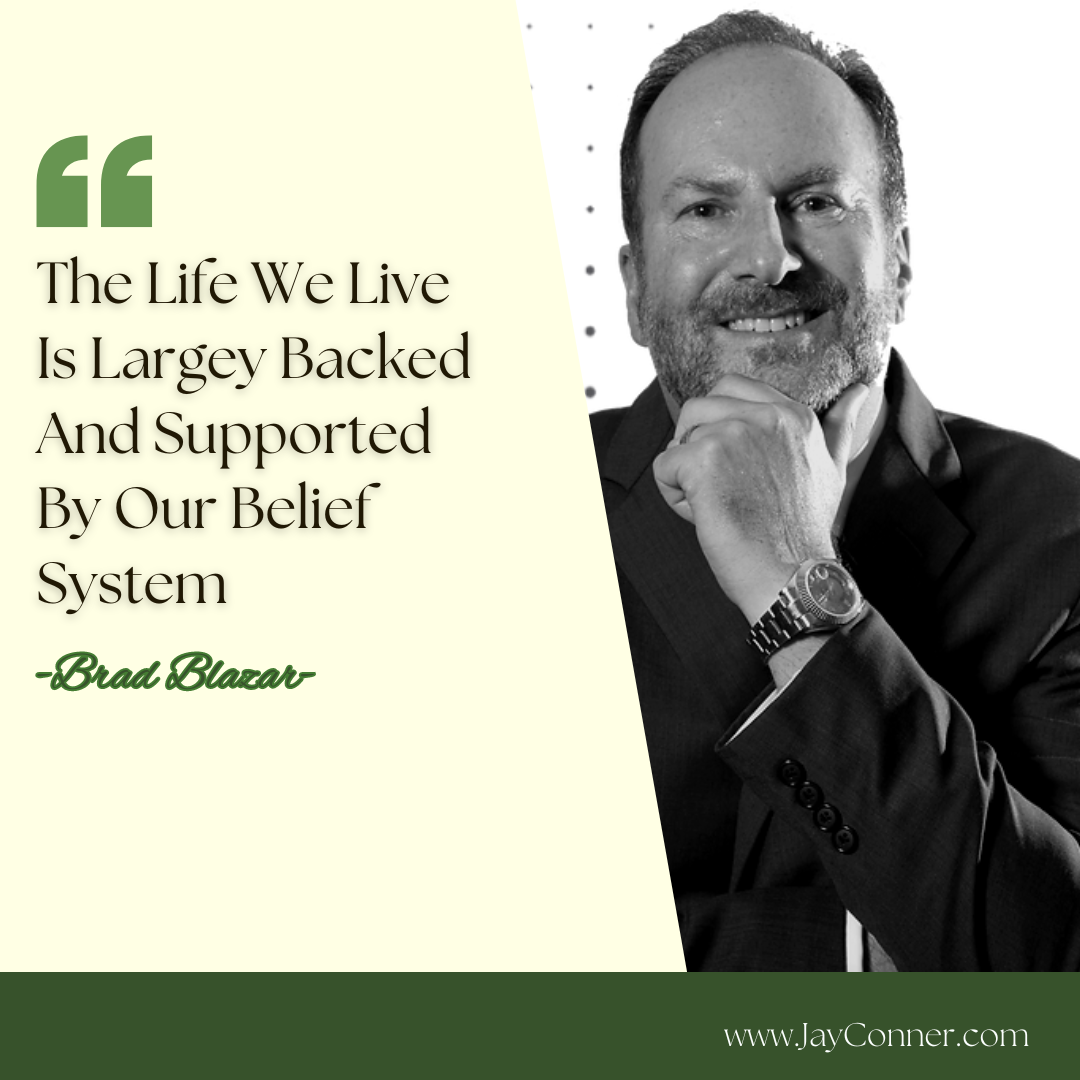
I did. Yeah. It’s actually the very first book of 3, and, of course, we’re working on the 4th book right now. But my first book, which is on the Wings of eagles, learning to soar in life, it does touch on elements of NLP, and it also, of course, shares many of the things that I’ve learned either by interviewing or working with some fairly well-known people. And so by sharing their stories in the book, in in understanding, you know, how these people think, it allows the reader to really think bigger, and it really opens up their mind to this entire, process. One of the things that we’ve actually trademarked is the phrase, the art of beliefology, which is understanding that the life we live is largely backed and supported by our belief system. And, you know, if we believe this, we won’t do that. And so by understanding how to foster a new belief system in ourselves, which is really just supported and backed up by habits, we can dramatically change our life because our life really is supported by the habits we have.
Brad Blazar [00:20:43]:
Those habits over time start to support a new belief system, and then that belief system reveals itself in the life we actually live. And so a large part of this is how we see ourselves. I’ll give you an example of a true story. I was mentoring a gentleman a few years ago who was obesely overweight and was about £480. And he just said, you know, I just really hate the fact I’ve allowed myself to get to this point. And I said, what we need to do is we need to focus on you. I said, tomorrow morning, I want you to get up and I want you to go for a 3-mile run. And there was this huge pause.
Brad Blazar [00:21:19]:
And he said I can’t even make it to get my mail out of the mailbox. And I said, no. I was just joking with her. I just wanted to make sure that you were actively listening. But I said, let me ask you a question. I know it’s gonna be hard, but can you just go for a walk for 30 minutes? He said, yeah. I think I can do that. I said, I just want you to go for a walk every day of this week in the morning before it gets too hot for 30 minutes.
Brad Blazar [00:21:40]:
And so he did that. The second week, I said, I want you to look for the light poles or the telephone poles. You walk to 1, and then you lightly jog to the next, and then you just alternate. So walk, run, walk, run, do that for 30 minutes. And every week, I just want you to double the distance. And here we are now 6 months later, finally, we’re having a call. He’d already lost about £100 in this process. And he said, you know, earlier you told me about the importance of these affirmations or the self-talk.
Brad Blazar [00:22:11]:
And I said, yeah. He said, I really was struggling to find anything good to say about myself. But today, I was able to finally say something, and I said to myself, here it comes. I said, what was it? He said, when I looked in the mirror, I said to myself, I am an athlete. And I said, see what we did? We changed your habits, where every day you’re now walking and running. That fostered a new belief system. The belief is I am an athlete. And I said, Jason, I have no doubt you’re gonna lose another £150 and get down to your target weight.
Brad Blazar [00:22:41]:
Today, he’s about 210. Literally lost the whole person in this process, but it just shows how a change in his habits fostered a new belief. And that’s what brings about change in people.
Jay Conner [00:22:56]:
I love that. That also reminds me of another thing I learned in that course from Dale Carnegie, and that was attitudes and actions. I learned that the opposite is true of what I originally thought. Dale Carnegie taught me that if you want to change your attitude, change your actions first because your attitude must follow your actions. And you just laid that right out there in a perfect example, Brad.
Brad Blazar [00:23:25]:
Yeah. It’s amazing, really, when you see this and study it and see it happen, in other people’s lives. And I think it also carries over to why a lot of people are not actively raising money, or why a lot of people are not getting into real estate. And, you know, yes, it is a big commitment to go out and buy a commercial property, but start small. You know, flip a house, find an investor, make some money, put some money in your bank account so you’ve got a little bit of a cushion, and then slowly take those baby steps to find a mentor or find an educator that can help you now move forward. Maybe the first multifamily property you ever put under your belt is a 4plex or maybe a 6-unit property. And you understand now the dynamics of what that looks like. And then the next deal you do, you know, maybe 10 to 12 units.
Brad Blazar [00:24:16]:
And so you take these stair steps where, you know, you fast forward 3 years, you’re like, holy cow. Now I’m going out and I’ve got a network of investors. I’m buying 40, 60, and 80-unit properties because I understand the process and I realize it’s not largely me, it’s my team. And what a lot of people overlook is that most of the people that are investing in commercial real estate, they’re not managing the toilets and the trash. They’ve got a team of property managers. They have a team of experts that are the local sharpshooters. And really just as the operator or as the general partner, they’re supervising the efforts of these teams that they’ve put together. One message that we always try to teach our students is you have to be able to communicate to potential investors that you can execute whatever it is you’re doing.
Brad Blazar [00:25:04]:
I don’t care if it’s buying a business. I don’t care if it’s investing in real estate. I don’t care if you’re launching a new product. If you can’t convince an investor that you can execute, why in the world would they wanna open their checkbook and move forward? And we actually learned that when we hosted Kevin Harrington from Shark Tank at our big event. He said the big reason a lot of people come on to Shark Tank and leave without getting a deal, is the doubt in the mind of the sharks that they can’t execute whatever it is they’re trying to do. They might be bright. They might be PhDs. They might have a great product, but it’s the belief in that individual.
Brad Blazar [00:25:39]:
And you hit the nail on the head very early, Jay, when you said, really, you know, they’re not investing in the deal, they’re investing in you. People invest with people they know, like, and trust.
Jay Conner [00:25:51]:
Absolutely. Well, I love the topics that you cover in your first book, that being on the Wings of Eagles, Learn to Soar in Life. You have helped a lot of people raise Private Money. I’ve helped a lot of people raise Private Money that haven’t done it before. What are some of the common mistakes that you’ve seen new capital raisers make?
Brad Blazar [00:26:15]:
Well, the biggest one that can put you in jail is just a lack of knowledge with regard to the securities industry. You know? When we’re raising money from investors, we cross the line, And we now are in the securities industry, and so you have to have a general knowledge of that. And so we do spend a lot of time in the education of the dos and don’ts and what you need to be aware of as it relates to both state registrations and also, of course, the SEC and the federal regulations. So that’s one thing. It’s just the general knowledge that you need. I think though the other couple of big things is one of the big mistakes that we often see is people go out and they try to raise capital, and they come across with the presentation or the materials that they’re showing to potential investors, and they look like a mom and pop operation. And so if you come across looking like a mom-and-pop operation, you’re not going to attract the capital that you really want to attract. And so one of the very first things we do is we say, let’s step back and take a look at everything that we call client-facing.
Brad Blazar [00:27:23]:
What does your website look like? What does your social media look like? What does your business card look like? What does your pitch deck look like? Can those things be enhanced and improved upon so that when you go out, you’re putting your best foot forward? The second thing I think also gets back to this understanding is that it takes time to build and develop trust in people. And so there is a process, believe it or not, that we talk about called the trust sequence. The trust sequence is a concept that I created after reading a book called The Trust Economy by a wonderful author named Philippe de Conner, and you can actually find this book, The Trust Economy. But what he does is outline the steps that we go through in building trust with people. The first step, basically, of course, is perception. When people meet you, they’re sizing you up. Will there ever be a second date? Hopefully, there’s a second, 3rd, and 4th, and you get to move people forward in this process. But the second is temptation.
Brad Blazar [00:28:24]:
You gotta be really good at asking questions and listening to what people are telling you because people will physically tell you what will move them forward in the process. Or by asking good questions, they will tell you what will tempt them to invest at a later date. And so in my discovery, as I’m talking to people if I uncover something like this person is investing because they want their money to grow so they can put their children through school in a couple of years When I’m now pitching the deal, I will remind them. Do you remember, Jay, when we were first chatting, you told me that you’re trying to grow your principal because you gotta put your children through school in a couple of years? Can you see how this investment will allow you to do just that? By tying them together, and soft closing them. And now they associate the investment with the success of putting their children to school in a couple of years. So I think that’s the other big thing that people overlook. It’s just slowing down the process, building their trust, and having quality client-facing materials so that when you go out to talk to people, they look at you through the lens of this person who knows what they’re doing. This person understands this process.
Brad Blazar [00:29:37]:
And that’s what’s going to allow you to ultimately have success in onboarding and working with investors.
Jay Conner [00:29:44]:
Brad, you’ve got an upcoming event where you’re gonna be sharing these, strategies and experiences you’ve had in raising capital. Tell my audience about your upcoming event and how they can learn more about it.
Brad Blazar [00:29:58]:
We would love to. So we do 4 boot camps every year. This is our second one. Yeah. I know it’s relatively short notice, but, boy, we’d love to have anybody who would love to come if it fits in with their schedule. It’s in Scottsdale, Arizona, and it’s coming up next week on Friday and Saturday in Scottsdale at the beautiful Hilton Garden Inn. I see here at the bottom, of course, and also on my website, the information where you can click on the link. You can listen to many testimonials from the last event we did in Miami.
Brad Blazar [00:30:30]:
But at this event, you’re going to learn everything you need to know to move forward in the process of attracting, raising, and closing capital. We will have securities attorneys there talking about all the dos and don’ts. We will have syndicators there that have successfully raised capital. We’ll have many of our strategic resource partners there as well as many people from our community that have successfully launched funds. Right? Raise 1,000,000 of dollars. And so I consider what we have created in our platform as a one-stop shop for everything related to capital raising. You wanna launch a fund? We can help you launch a fund. Do you want a CRM system and an automated process? We got a whole marketing division that can deliver these things for you as well.
Brad Blazar [00:31:19]:
And so at the boot camp, what you really get is the blueprint. We don’t share success story after success story. You know, I’ve been to many of those events where you get the shot of adrenaline, you get a little bit of inspiration. We all need those things from time to time. At the boot camp, we tangibly deliver. These are the steps you take to do this. Here’s the blueprint. You do this, you follow up with this, and then you do that.
Brad Blazar [00:31:46]:
And we have a lot of people that have actually left the boot camps that have reported back to us within a couple of months that they’ve successfully raised 1,000,000 dollars. Because when they left, they knew exactly what it was they needed to do. And so we purposely keep our boot camps fairly small. We do 4 years. This boot camp, again, it’s gonna be a great time of the year. So click the link, go to our website, take a look at that, and we’d love to see you there. We have 2, prices of emission. 1, that’s, for the general emission, and then the VIP.
Brad Blazar [00:32:18]:
And so on Friday night, we have some fun. We have a local magician who’s gonna come and entertain our VIPs and do some slight hands during our VIP cocktail. But for those of you who want to learn how to attract, raise, and close capital, this is what I would call a can’t-miss event.
Jay Conner [00:32:39]:
Brad, thank you so much. The URL is go dot bradblazer.com/bootcamp page. Don’t worry about trying to remember that because this URL is in the show notes. Brad, God bless you. Thank you so much for joining me here on Raising Private Money.
Brad Blazar [00:32:59]:
Thank you, Jay, for having me. It’s always a pleasure. Would love to come back anytime you’d like to invite me. And, you know, here’s what I’ll say in wrapping up today. Understand that the key to building legacy wealth is not to try to build a legacy by yourself. Capital is definitely a team sport, but you have to realize the way to go out and do something bigger in life sometimes comes down to capital. You can go to a bank, but many times, of course, you have bad credit. Many times you may not have the prior performance or the track record, but investors is the way to go.
Brad Blazar [00:33:36]:
It’s how I built a multimillion-dollar oil business. It’s how I choose to raise capital today for the deals that we’re involved in. More importantly, it’s how thousands of people around the world are being affected in a very positive way they come to the boot camp, where they get mentored or consulted by me, and then they simply go out and take action. You gotta make a decision. The word decide means to kill off. And so we’re here to help you kill off that indecision, draw the line stand step over it, and start doing bigger things. So, Jay, thanks once again for hosting us. It’s Brad Blazer saying, we hope to see you at our boot camp.
Brad Blazar [00:34:13]:
We hope to have a chat or a conversation with you. And we just hope to take that next step in your journey.
Jay Conner [00:34:20]:
Thank you, sir Brad.
Brad Blazar [00:34:23]:
Thank you, Jay.
Jay Conner [00:34:25]:
God bless you. There you have it, my friend. Another amazing episode of Raising Private Money with Jay Conner. Thank you for joining us here on the show. Be sure not to miss out on any of the upcoming shows on your favorite platforms wherever you’re listening to podcasts, So be sure and tune in. I look forward to seeing you right here on the next episode of Raising Private Money with Jay Conner.
Narrator [00:34:51]:
Are you feeling inspired by the knowledge you gained in this episode? Then head over to www.JayConner.com/MoneyGuide. That’s www.JayConner.com/MoneyGuide, and download your free guide that shares seven reasons why Private Money will skyrocket your real estate investing business right now. Again, that’s www.JayConner.com/MoneyGuide to get your free guide. We’ll see you next time on Raising Private Money with Jay Conner.