
In the transformative realm of real estate investing, few narratives are as compelling as Ed Mathews’. From a Silicon Valley startup connoisseur to a distinguished real estate investor, Ed’s journey offers a wealth of insights. In this episode of the Raising Private Money podcast, Ed Mathews shares his experiences and strategies for succeeding in multifamily property investing, along with key takeaways for both active real estate enthusiasts and passive investors.
Building a Foundation: Early Influences and Initial Hesitation
Ed Mathews’ relocation from Boston to Connecticut in 2008 was a pivotal event, driven by familial priorities. While the move brought him closer to his extended family, it also set the stage for his real estate venture. However, despite favorable market conditions from 2008 to 2011, Ed found himself paralyzed by fear and what-ifs. It wasn’t until he met Amy Rio, a determined real estate broker, that he took the plunge. Amy’s insistence led to the purchase of a 4-unit property for $99,000—a decision that Ed marks as a turning point in his real estate career.
Overcoming Fear and Embracing Courage
Ed candidly discusses how the fear of financial commitment often holds people back from potential opportunities. He references Tony Robbins’ philosophy, highlighting how decisions are often driven by either the pursuit of pleasure or the avoidance of pain. For Ed, the need to escape the conventional 40-year career path provided the necessary push. His mantra, drawn from a coach named Crystal and a friend, Chris Moore, centers on getting comfortable with discomfort—a critical element for growth and success in any endeavor.
Building Trust with Lenders and Investors
Trust forms the backbone of Ed Mathews’ strategy for raising private money, an area where he has excelled, having raised $5 million for multifamily properties. Ed stresses understanding the lenders’ needs and goals, focusing on offering opportunities that align with their investment objectives. By fostering personal relationships and maintaining transparency, he has turned potential collaborations into lasting partnerships, successfully raising a million dollars in private money along the way.
Transitioning from Tech to Full-Time Real Estate
Before becoming a full-time real estate investor in 2018, Ed had a rich career in Silicon Valley, amassing over 24 years of experience. The realization that his real estate income outpaced his tech salary catalyzed his full transition. Founding Clark Street Capital marked a new chapter, enabling him to focus on helping business owners and executives transition away from traditional careers through lucrative real estate investments. His background in startups and crowdfunding also positioned him to leverage unique strategies for raising capital.
Strategic Fit and Abundant Mindset
One of Ed’s guiding principles is prioritizing quality investments over sheer volume. He ensures that each deal fits his clients’ models, thus fostering trust and long-term satisfaction. Ed’s abundant mindset—a belief that ample opportunities exist for everyone—differentiates him in a competitive field. He is open to sharing insights and making connections, reflecting a community-driven approach that benefits all parties involved.
Innovative Funding Models and New Projects
Clark Street Capital’s latest venture, a debt fund, epitomizes Ed’s innovative approach. By offering loans at a 12% interest rate with upfront points, he creates a reliable cash flow stream while maintaining trust with flippers, rehabbers, and small multifamily investors. This strategy is reminiscent of selling tools during a gold rush—providing essential resources to those actively engaged in the field.
Additionally, Clark Street Capital is spearheading a 100-unit affordable housing project in Central Connecticut. Amid a significant housing shortage, this development represents a critical response to the state’s need for 30,000 affordable units by 2030. Currently in the entitlement stage, the project is set to move into fundraising soon, offering substantial investment opportunities.
Staying Connected and Engaged
For anyone keen on exploring investment possibilities with Ed Mathews, an array of contact options is available. Ed encourages reaching out via email at ed@clarkst.com or visiting Clark Street Capital’s website. Beyond traditional channels, he maintains a robust presence on social media platforms such as Facebook, Instagram, LinkedIn, TikTok, and YouTube, fostering accessibility and engagement.
Closing Thoughts from Jay Conner
Jay Conner, renowned as the Private Money Authority, wraps up the episode with a call to action. He invites listeners to follow the podcast on Spotify and iTunes for continuous learning. Additionally, Jay offers a free guide at www.JayConner.com/MoneyGuide, providing valuable insights into private money and real estate investing. By subscribing to their YouTube channel, listeners can further engage with the rich content and gain knowledge from industry experts.
In conclusion, Ed Mathews’ journey from Silicon Valley to real estate success is a testament to the power of overcoming fear, building trust, and embracing an abundant mindset. His story serves as an inspiration for both active investors and those considering passive investment opportunities, underscoring the transformative potential of strategic real estate endeavors.
10 Discussion Questions from this Episode:
- Ed’s Relocation Decision:
- How did Ed Mathews’ decision to move from Boston back to Connecticut in 2008 shape his approach to real estate investing?
- Initial Hesitation and Breakthrough:
- What factors contributed to Ed’s initial hesitation to invest in real estate, and how did his encounter with Amy Rio change his perspective?
- Tony Robbins’ Influence:
- In what ways does Tony Robbins’ philosophy on motivation (driven by pleasure or the need to alleviate pain) resonate with Ed’s approach to real estate investing?
- Comfort with Discomfort:
- How does Ed Mathews’ willingness to embrace discomfort contribute to his growth as a real estate investor, and what lessons can other investors take from this mindset?
- Building Trust with Private Lenders:
- What specific strategies does Ed use to build trust with private lenders, and how crucial is this trust in raising significant amounts of money for investments?
- Transition from Silicon Valley to Real Estate:
- What were some of the main challenges and opportunities Ed faced when transitioning from a tech career in Silicon Valley to full-time real estate investing?
- Overcoming Fear in Investment Decisions:
- How does Ed Mathews view fear in the context of large investments, and what advice does he offer for those struggling with similar fears?
- 506(b) Offerings and Investor Inclusivity:
- How does Ed’s use of 506(b) offerings allow him to include non-accredited investors in his projects, and what are the potential benefits and risks of this approach?
- Affordable Housing Project in Connecticut:
- What are the key goals and challenges of the 100-unit affordable housing project that Ed is developing in Central Connecticut, and how does it aim to address the affordable housing shortage in the area?
- Clark Street Capital’s Strategy:
- What unique strategies does Clark Street Capital employ to help investors transition away from traditional jobs, and how does the debt fund complement these strategies?
Fun facts that were revealed in the episode:
- Ed Mathews’ first successful investment was a 4-unit property bought for just $99,000, which he credits as a pivotal decision in his real estate career.
- Ed transitioned from a 24-year career in Silicon Valley startups to full-time real estate investing, driven by the influence of “Rich Dad, Poor Dad” and a desire for financial independence.
- Clark Street Capital, founded by Ed, recently launched a debt fund to support other investors’ projects, generating reliable cash flow and fostering trusted relationships in the investment community.
Timestamps:
00:01 Passion for real estate led to entrepreneurship.
05:25 Entrepreneur resigns to focus on real estate.
07:20 Fear signifies understanding the gravity of responsibility.
12:45 Pain and pleasure drive action and opportunity.
15:42 “Build relationships through service and understanding needs.”
17:45 Connecting others to beneficial projects and guidance.
23:16 Helping executives invest in real estate passively.
24:57 Launched debt fund to finance investors’ projects.
28:04 Contact: ed@clarkst.com or visit https://www.clarkst.com
Connect With Jay Conner:
Private Money Academy Conference:
Free Report:
https://www.jayconner.com/MoneyReport
Join the Private Money Academy:
https://www.JayConner.com/trial/
Have you read Jay’s new book: Where to Get The Money Now?
It is available FREE (all you pay is the shipping and handling) at https://www.JayConner.com/Book
What is Private Money? Real Estate Investing with Jay Conner
http://www.JayConner.com/MoneyPodcast
Jay Conner is a proven real estate investment leader. Without using his own money or credit, Jay maximizes creative methods to buy and sell properties with profits averaging $67,000 per deal.
#RealEstate #RealEstateInvesting #RealEstateInvestingForBeginners #Foreclosures #FlippingHouses #PrivateMoney #RaisingPrivateMoney #JayConner
YouTube Channel
https://www.youtube.com/c/RealEstateInvestingWithJayConner
Apple Podcast:
Facebook:
https://www.facebook.com/jay.conner.marketing
Twitter:
https://twitter.com/JayConner01
Pinterest:
https://www.pinterest.com/JConner_PrivateMoneyAuthority
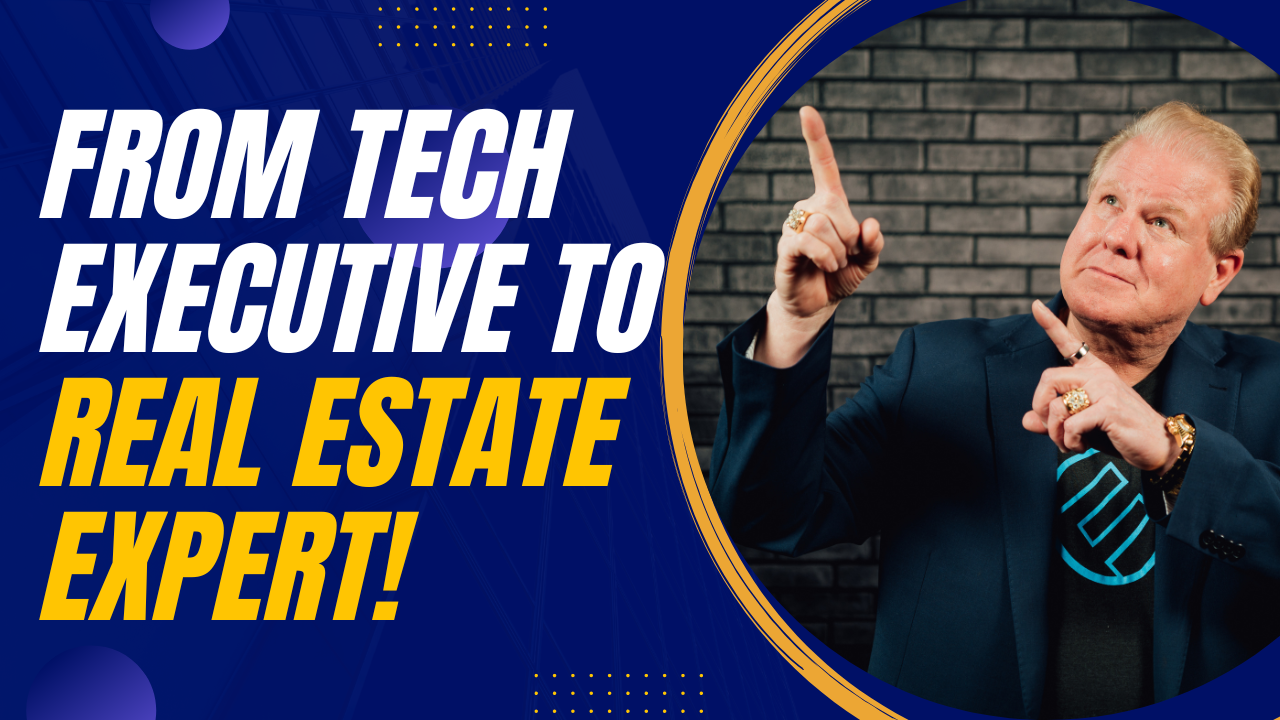
From Tech Executive to Real Estate Expert: Ed Mathews’ Multifamily Investment Journey
Jay Conner [00:00:01]:
Welcome to another amazing episode, Raising Private Money. I’m Jay Conner, your host, also known as the Private Money Authority. And today, I’ve got an amazing guest to bring to introduce to you. We’re going to be talking about raising private money. This is the show, the podcast, where we talk about raising private money without even having to ask for money. Well, my guest today, he’s raised, you might as well say, $5,000,000 in private money from his investors so far. With over a decade of experience, he has built an amazing portfolio of multifamily properties up in Connecticut and down in the southeast United States. Well, his history, his original story, his origin began for, well, more than 24 years.
Jay Conner [00:00:52]:
He worked for Silicon Valley Startups, honing his skills in the Go-Go Tech world. And it wasn’t until 2011 that he bought his first rental property. Well, in 2018, he left that rat race, to focus entirely on growing his company, which is called, or one of his companies, which is called Clark Street Capital. Well, he’s also a crowdfunding expert. So we’re going to dive deep into how in the world you raise money by using the crowdfunding platform. Well, in just a moment, you’re going to meet my friend and my guest, Mr. Ed Mathews, right after this.
Narrator [00:01:36]:
If you’re a real estate investor wondering how to raise and leverage private money to make more profit on every deal, then you’re in the right place. On raising private money, we’ll speak with new and seasoned investors to dissect their deals and extract the best tips and strategies to help you get the money because the money comes first. Now here’s your host, Jay Conner.
Jay Conner [00:02:03]:
Well, welcome to the show, Ed.
Ed Mathews [00:02:06]:
It’s good to see you, Jay. How are you?
Jay Conner [00:02:08]:
I’m doing fantastic. Good to see you again. Thank you for having me on your podcast a few months ago. And so it’s great to have you here on Raising Private Money, and you have a lot of experience in that. So before we dive into how you’ve gone about raising private money, and by the way, we have 2 audiences that listen to this podcast. We have those real estate investors looking to raise private money for their real estate deals or more private money. Then, of course, we have another part of our audience interested in passive investing and wants to be in real estate. Still, they want to avoid going out and being an operator and negotiating deals. They wanna sit back and collect nice returns.
Jay Conner [00:02:51]:
And so you’ll be able to speak to that as well. But first, tell our audience, Ed, how did you go from that Silicon Valley space and tech tech world Yeah. To segue over to real estate investing?
Ed Mathews [00:03:08]:
So I’d always had a bee in my bonnet for real estate, and, you know, I started by swinging a hammer and being a gopher on construction sites when I was a teenager. You know, at that point, I wanted to build houses, and then, you know, life took over. I’ve, you know, married I found and married the love of my life, and we had a family. And, you know, that required me to start using my college education, so I went and got a job and then another job and realized, man, there is just no way I’m going to get where I want to take our family on a w two. And so I was starting to explore, opportunity side hustles. They were called that back then in the early 2000s. They were just called, you know, moonlighting or whatever you want to refer to it as. And, I had a consulting firm that I had for about 4 years, with a couple of partners.
Ed Mathews [00:04:05]:
And then in 2008, a good friend of mine gave me the purple bible, the rich dad, poor dad, and it fundamentally changed the way I viewed not only my current but future state. And so I was hooked and reengaged my real estate desires. And, you know, quite frankly, it took me about 3 years to ratchet up the courage to pull the trigger on a deal, and there’s a story behind that which I’m happy to share. But the, you know, the process to get there was a long one, but, you know, along the way, I was reading, you know, as many books as I possibly could, and, you know, just trying to learn, learn, learn. And meanwhile, I was working 80 hours a week flying all over the country and in some cases, all over the world to sling software and services, for the companies I was working for. And, over time, we acquired a 4 unit, and I’d flip a couple of houses and buy another multi and flip a couple more and buy a multi and rinse and repeat, rinse and repeat. We did that for, gosh, the better part of 7 years. And in 2017, I was standing in a large conference room with about 2,000 colleagues at a company called DocuSign.
Ed Mathews [00:05:25]:
And the chairman, Keith Krock, who is, you know, kind of one of the pantheon of entrepreneurs in that world, he is certainly one of the, you know, truly true success stories, multibillionaire, lives in, actually, his house is the old Russian embassy in San Francisco just to give you an idea of of the of, you know, who he is and what he has accomplished. And I was standing there, and I was standing with my team and my colleagues, and I was listening to Keith do what I affectionately refer to as his laser light show, which is, you know, the man oozes charisma, and he walks in the room, and he owns the room. And, you know, he was talking about what the future looked like, and I was sitting there clapping and thinking, yeah. He’s right. This is exactly the right way to take the company. I buy in, but I just can’t do it anymore. And, you know, at that point, I was traveling, gosh, 150 nights a year plus. It was, you know, at that point where I had a long conversation with my wife, Patricia. We looked at the real estate portfolio and looked at what we were making in the w two worlds and realized that the real estate had eclipsed what I was making in corporate America. And, right after the holidays, I gave them 30 days’ notice and resigned, and I’ve been doing this full-time since February 2, 2018.
Jay Conner [00:06:49]:
Good for you. Good for you, Ed. You mentioned something a moment ago, and that is the word courage when pulling the trigger on the first deal. And I’m sure we have, some of our audience members here listening to the show that haven’t done their first real estate deal yet, and they are dealing with this thing that they perceive to be fear. So how did you gain the courage to do that first deal?
Ed Mathews [00:07:20]:
So let’s talk about fear first. Right? You know, if if your hand doesn’t shake when you sign that purchase and or the closing documents and the mortgage documents and all that, if you aren’t nervous if you aren’t scared to do that, you fail to understand the magnitude of the decision and responsibilities you’re taking on. And I say that because being nervous is perfectly healthy and perfectly normal. You’re supposed to be. It’s a lot of responsibility. It’s a lot of responsibility to your investors. It’s a lot of responsibility to the residents who will live in your buildings, and it’s a lot of responsibility for the folks who work for you and your family. Everyone on that list is counting on you to do what you say you’re going to do, and it’s you know, there are even if the project works flawlessly, there are plenty of nights where you’re staring at the ceiling at 3 AM.
Ed Mathews [00:08:10]:
And, you know, sometimes it’s with excitement, but sometimes with a little bit of trepidation, and it’s normal. So once you recognize that you’re supposed to be scared, it becomes courage. Right? And you act even though you’re scared. And so because for me, it went from being a, gosh, I wish I could do this, so I don’t want to do my day job anymore, I have to do this. This is something that must happen. And, you know, I had come to the realization, you know, in in in reading Kiyosaki’s book that the only way I was going to achieve the goals that I wanted to achieve for me, my wife, and my girls was to break out on my own and build a company. And so that is you know? And real estate was my vehicle, and so that was what we did. Now the story is an interesting one.
Ed Mathews [00:09:06]:
So I met and we moved from, the Boston area to Connecticut in 08. And, my wife and I both grew up here, and it was an opportunity with our kids getting a little bit older. At that point, our oldest was going to kindergarten, and we had an 18-month-old. And then, you know, the opportunity was about moving back towards family. Right? So my mom lives here. My in-laws lived here, so we wanted our kids to know their family. And so that was part of it. Then I used that span from 08 to 2011.
Ed Mathews [00:09:45]:
And if you recall, there was a lot of proverbial blood in the street in terms of the stock market, in terms of the real estate market, and, you know, those are the great opportunities that, present you know, when there’s fear and angst in the market, that’s when you should be buying. Right? And so, I wasted 3 years being afraid, but finally, I met a woman, a broker named Amy Rio. And Amy, at that point, was probably a 4 or 5 agent office in Central Connecticut. And she took me around, god, bless her heart, to to about, I don’t know, 20, 22, 23 properties, and I found an excuse not to buy every single one. And finally, you know? And it was silly stuff. Right? Oh, this one needs windows. I don’t want to deal with that. Oh, this one needs a roof.
Ed Mathews [00:10:36]:
I don’t want to deal with that. Oh, this one’s blue. I want a white one. Right? I mean, it was just silly stuff. And I finally found a 4 unit on a company in, on a street, Clark Street which is why I named the company this. And, we walked the property. It was a 4 unit building. The person who owned it had gotten in over their head, ran out of money, and handed the cash handed the building back to the bank.
Ed Mathews [00:11:04]:
And she got me on day 1, and we could move on it. But the funny part about it was we were coming out to the back parking lot, and I was already cranking up the excuses for not buying this. And she listened to me, and she nodded and said, okay. Well, I hear you. As I was talking, I could see her take out a pen and take out a piece of paper and put the paper on the hood of my truck, and, she was nodding and nodding, and she finally stopped me. She goes, Look, Ed, I like you, and I appreciate, the opportunity to work with you, but I’ve shown you almost 2 dozen properties, and this one is by far the best deal I’ve shown you. And if you don’t buy this, 2 things are going to happen. A, I’m going to buy it, and, b, I’m going to kill you.
Ed Mathews [00:11:47]:
Never call me again. Right? And, now I’m, you know, a pretty big guy. I’m 64 plus, and she’s generously 52, so I’m well over a foot taller than this person. And she scared the living daylights out of me. She was like, sign the contract. Don’t be an idiot. Right? And so I daintily took the pen from her, and my hand shook, and I signed that contract. And I said, yes, ma’am.
Ed Mathews [00:12:11]:
It was the best decision I ever made. Thank you, Amy, wherever you are. Right now, she is one of, if not the largest, brokers here in the state of Connecticut and doing very well. She has several hundred agents working for her now, so she’s doing well. It couldn’t happen to a nicer person, and I’m eternally grateful. Every once in a while, she even returns my phone.
Jay Conner [00:12:31]:
Calls. So in other words, you’re saying the way you get courage to take action is you get somebody to, pour a great big dose, yeah, pour a great big dose of fear of loss on top of you. Right?
Ed Mathews [00:12:45]:
Well, I think that’s one way. I mean, you know, if it is so, I believe in many of Tony Robbins’s teachings, and he talks about pain versus pleasure. Right? And so, you know, it’s one of the two things that have to well up to the point where it becomes a must. Either it’s such a great opportunity that it’ll create so much pleasure that you can’t pass it up, or the alternative is you are so beaten down or so, in a state of pain that you have to do something different because you just can’t take it anymore. And I would say that that moment with Amy in the back, parking lot was probably a smattering of pain and pleasure. I saw the opportunity. I jumped at it because, you know, it was a 4 unit for $99,000, and it was cash flow positive within 6 weeks of us owning it, and it was cash flow positive until the day we sold it a little earlier this year. And, you know, it’s, but there was also pain there.
Ed Mathews [00:13:46]:
I knew I needed to do something different. I knew I couldn’t sit in the two jobs for 40 years, get my gold watch, and go home because that no longer exists.
Jay Conner [00:13:58]:
Yeah. One of the coaches who works with me and helps coach my real estate investing students is Crystal. At the end of her emails, her signature, her byline says, “Life begins at the end of your comfort zone.” Yes, life begins at the end of your comfort zone.
Ed Mathews [00:14:19]:
I was talking to my friend Chris Moore about that not that long ago, and he was saying, you know, if you’re not uncomfortable or not. What he said was that if you’re uncomfortable, that means you’re growing, and that’s a good thing.
Jay Conner [00:14:29]:
That’s right. They successfully learn to be comfortable with being uncomfortable. Now something you mentioned a moment ago
Ed Mathews [00:14:37]:
Sure.
Jay Conner [00:14:38]:
Ed, you talked about how you made this decision. You are committed to getting into real estate investing, and your family is counting on you to have the integrity to do what you say you’re going to do.
Ed Mathews [00:14:54]:
Right.
Jay Conner [00:14:54]:
With that in mind, you have raised 1,000,000 dollars in private money from private lenders to invest in your deals. How have you gone about instilling trust, and credibility, to where they believe you will perform? Because, you know, what I’ve observed over the years is that I’ve been raising private money since 2009, and I have 47 private lenders. And I have discovered and observed that my private lenders, my private investors, whatever you want to call them that are funding the deals, are not investing in the deals. Are they investing in you Correct? The operator. How do you how do you instill that, you know, that belief that they trust you to perform?
Ed Mathews [00:15:42]:
So I think part of it, a huge part of it is that I, you know, come at a relationship, whether existing or new, from a place of service. Right? And so, you know, in my job there are personal relationships, which come over time. But the professional one comes from understanding where the human being is in front of you regarding their journey, where they are, and where they’re trying to get. And if you have a solution that will help them move the ball down the field, so to speak, then great. And, you know, provide that to them. So I use service to build relationships, and here’s what I mean by that. So first off, if I have, you know, an investor who’s looking to, you know, invest in real estate, whether that’s short-term flips or, you know, longer-term holds like multifamilies, like like what we do. We have a project, and then part of the process of us getting to know that investor is to understand, you know, where their risk tolerance is, where their time horizons are, and a whole bunch of other things. If the project fits, we will present it to them.
Ed Mathews [00:16:59]:
If it doesn’t fit, then, you know, we certainly are marketing it, but it’s not something that I pick up the phone and say, hey, Jay. I’ve got a deal that you need to take a look at. I’m never trying to push a square peg into a round hole. So that’s one thing. So the reason is that I wanted them to know that when I pick up the phone and I call them, it’s a deal that fits with their model, what they’re looking to do. It’s not just, you know, praying and spraying out information and hoping that the you you know, that that I hit the mark. So that’s one. The other thing is, in many cases, projects that we have aren’t necessarily a fit for everybody in our contact or investor databases.
Ed Mathews [00:17:45]:
And so as I’m working with those individual people, and we probably have, I think it’s also about a little more than 50 people here. If I come across a project that’s a better fit for them, whether whether I benefit or not, I’m sharing that. If I trust the operator or the capital raiser and there is a deal that is a good fit for somebody in our world, I am more than happy to make an introduction. And so I think that they appreciate that. The other last part of it is I’m a cheap date. And so what I mean by that is I get the question once or twice a week of you know, because many of the folks we work with are business owners and executives. Right? And I get a question once or twice a week. Why can’t I do this? And my answer is, you can, and I’ll gladly teach you everything I know, over a cup of coffee or dinner, and then I’ll ask you questions.
Ed Mathews [00:18:45]:
I’ll tell you exactly what has to happen. I’m happy to share my playbooks. I’m happy to share all my documents. And, they ask me, why would you do that? I said because I’m 12 years ahead of you. You’re never going to catch me. And even if you did, it’s a big pie out there. It’s a big world. And I’m I’m working on getting my slice.
Ed Mathews [00:19:04]:
And if you get a slice, I’m happy for you. Right? I’m not I don’t view you as competition. I view you as a potential partner. And so I think they appreciate that because I genuinely want them to succeed. And if I can help them grow, great. Suppose a friend or colleague with another deal help can help them, all the better. That’s fine.
Jay Conner [00:19:25]:
Well, what you just shared, Ed, is you’ve got a mindset of abundance
Ed Mathews [00:19:29]:
I do.
Jay Conner [00:19:29]:
And not a mindset of scarcity. Right? There’s plenty to go around, and people with a mindset of scarcity, unfortunately, view themselves as victims instead of the person with a mindset of abundance. And there’s plenty for everybody. And if I can help, you know, you grow and you improve, then, you know, what goes around comes around. And, so I appreciate you sharing that. Now I know one of your, areas of expertise is crowdfunding. And that’s always, you know, an interesting topic because many people have heard the phrase, they’ve listened to the word crowdfunding, but they don’t know what it is or really how you can use it to raise capital and how it works. So talk about crowdfunding a little bit.
Ed Mathews [00:20:17]:
So I haven’t necessarily used explicitly, you know, the general crowdfunding platforms, but what I have done is, so I don’t come from money. Right? I did not start I did not start life on 3rd base. And so I’ve you know, what that means is that my relatives and friends are not stockbrokers and captains of industry. They are electricians, plumbers, general contractors, and folks working hard for their money. And so one of the things that I recognized early on was, in my capital raising that is, it took me quite a bit of time to finally decide to raise money outside of what we were doing. The, you know, the whole idea here is that we would set these deals up as, a, basically, a 506 b, which allows me to source funds from sophisticated folks, but not necessarily accredited investors. And that would allow me to sit with my brother-in-law, uncle, or somebody else and have a conversation, okay? Here are the basics of what we want to do from a real estate investing perspective.
Ed Mathews [00:21:35]:
I’m going to teach you how to invest in real estate, and then I’m going to teach you how the project that we have here is, you know, is going to help you and us, advance our you know, towards our goals. And so in those 506 b type scenarios, you can have up to 35 investors. So it allowed me to as we were acquiring these, you know, excellent prod you know, Well, they were beat up properties, but had really good growth opportunities, both from a cash flow perspective and from an appreciation point of view. And so it allowed me to cut my friends and family in on these projects, over time. And so they were able to instead of making, you know, 4, 6, 8% in the stock market, they were making, you know, 12, 16, 20 plus percent, on the projects we were working on. And, so it made Christmas and Thanksgiving a lot of fun because we could help a lot of people. But, over time, you know, a chunk of the investors we’ve worked with have come from that 506 b pool. And, you know, the rest of them have been, you know, like I said before, business owners and technology executives and medical professionals and
Jay Conner [00:23:04]:
So on. Sure. Now you are the founder of Clark Street Capital. Talk about what Clark Street Capital is, what it does, and how it benefits others.
Ed Mathews [00:23:16]:
So we are primarily focused on helping executives and business owners break free from their W2 jobs if they want to. I tell people that you can invest in real estate, but you don’t have to be the landlord. Right? If you work with a team like mine, to be able that can find a deal, acquire the deal, manage to stabilize, you know, rehab and stabilize an agreement, and then ultimately manage it, for 3 to maybe 7 years depending on the type of project, you’re able to, you know, see powerful returns, you know, mid to high teens returns, as well as, you know, the opportunity to double your equity, in a particular project. And so, you know, part of the conversation is around the power of compounding and how that works and, but, you know our focus is on that that you know, for people like me, right, that, you know, the person I was in 2017, I’m now serving that person and helping them grow either in a lot of cases, it’s their retirement. But in some cases, it’s helping them build a, you know, a portfolio through our projects, that will enable them to ultimately leave their jobs and and go have fun and get some time freedom and spend time with family or start their gig or, you know, whatever they want to do.
Jay Conner [00:24:43]:
So does Clark Street Capital have any opportunities for new investors to come on with you to get those 12% 16%, and 20% returns over time?
Ed Mathews [00:24:57]:
So, yes, as a matter of fact, we do. Thank you for asking. So we just launched a debt fund, and that is a little bit different in that we are I liken it to John Sutter and the 40 Niners. Right? So John Sutter was the gentleman who realized there was as much or more money in selling picks and axes than digging for the gold back in the mid 18, 18 50, or forties and fifties. And so, the debt fund that we’ve created, the capital preservation fund, is designed specifically to fund other investors’ projects. And so we have a group of about 45 or so, flippers, rehabbers, and small multifamily investors that my partner, Mike Meyer, has built relationships with over the last 10, 12, 15 years. And with Mike, it’s more than 20, and we are funding those deals. And so in that case, the returns, it’s an arbitrage play.
Ed Mathews [00:26:00]:
So we are taking money in from investors, depending on the level of the investment, which ranges from 8 to 10% returns. And then we are loaning that out at 12% with a, you know, couple of points upfront. And, you know, throughout 6 to 12 months, we’re turning that money, you know, at least well, every 6 months is the goal of turning that money. It’s a ballpark that. And, you know, that’s one project that we’re working on. We’re also developing a 100-unit, development here in Central Connecticut that, we are in the middle of, entitling as we speak. And by entitling, I mean, surveys and permits and all that fun stuff, plot plans and whatnot. Once we have that completed, which I expect sometime in the next 2 or 3 weeks, we’ll be going to the market to start to raise money for that project.
Ed Mathews [00:26:52]:
And it’s an affordable housing play here in Connecticut because, you know, one of the things that I’m passionate about is, is the recognition that there are, you know, everywhere, but here in Connecticut in particular, we’re about 30,000 units, affordable units behind where we need to be in 2030. And that presents a tremendous opportunity for developers, you know, if, a, from a market perspective and also in some cases in a public-private scenario where we’re working with the state to, through tax advantages, and, as well as some grants, to be able to build cost-effectively, apartment buildings that, you know, about 30% of the units are allocated towards workman’s housing, which is, something near and dear to my heart because I grew up in those houses. So, that in that housing. So it’s, you know, something that we see as a tremendous opportunity in the future.
Jay Conner [00:27:48]:
Well, Ed, that sounds exciting. More than one opportunity that you have right now that people can, invest in and get, high rates of return safely and securely. So what is the best way for them to reach out to you and, Clark Street Capital?
Ed Mathews [00:28:04]:
The best way is ed@clarkst.com. That’s my email. You can also go to our website and check out our projects and what we’ve done over time, and that’s clarkst.com. And we’re everywhere on Facebook, such as Clark Street Capital, Facebook, Instagram, and LinkedIn, and now TikTok and, you know, YouTube, and everywhere. So, happy like I said before, I’m a cheap date. I’m so glad to have a cup of coffee with pretty much anybody who, picks up the phone and and asks for time, and that can either be virtual if we’re not close, or, if you’re somewhere in the northeast, I’m happy to meet you halfway and, grab a cup of coffee, and I’ll even buy the coffee.
Jay Conner [00:28:44]:
That sounds great, Ed. Ed, thank you so much for joining me. Again, his website is www.clarkst.com. And, of course, as he says, he’s all over social media. Ed, thank you for joining me, and God bless you.
Ed Mathews [00:29:01]:
It’s a pleasure, Jay. Good to see you, my friend, and, happy Thanksgiving, which
Jay Conner [00:29:04]:
It’s all Right. Same back to you. There you have it—another amazing episode of raising private money. I’m Jay Conner, the Private Money Authority, and I appreciate whatever platform you’re listening on. They’re on Spotify, iTunes, whatever it may be. Be sure to follow me so you don’t miss out on upcoming episodes. Be sure to rate and review as well.
Jay Conner [00:29:27]:
And if you happen to be watching on YouTube, be sure to subscribe, like, share, and click that bell so you don’t miss out on the next amazing episode of Raising Private Money. I look forward to seeing you on the next episode.
Narrator [00:29:45]:
Are you feeling inspired by the knowledge you gained in this episode? Then head over to www.JayConner.com/MoneyGuide. That’s www.JayConner.com/MoneyGuide. Download your free guide, which shares seven reasons why private money will skyrocket your real estate investing business right now. Again, that’s www.JayConner.com/MoneyGuide to get your free guide. We’ll see you next time on raising private money with Jay Conner.